
Cherry: Aging Like Fine Wine

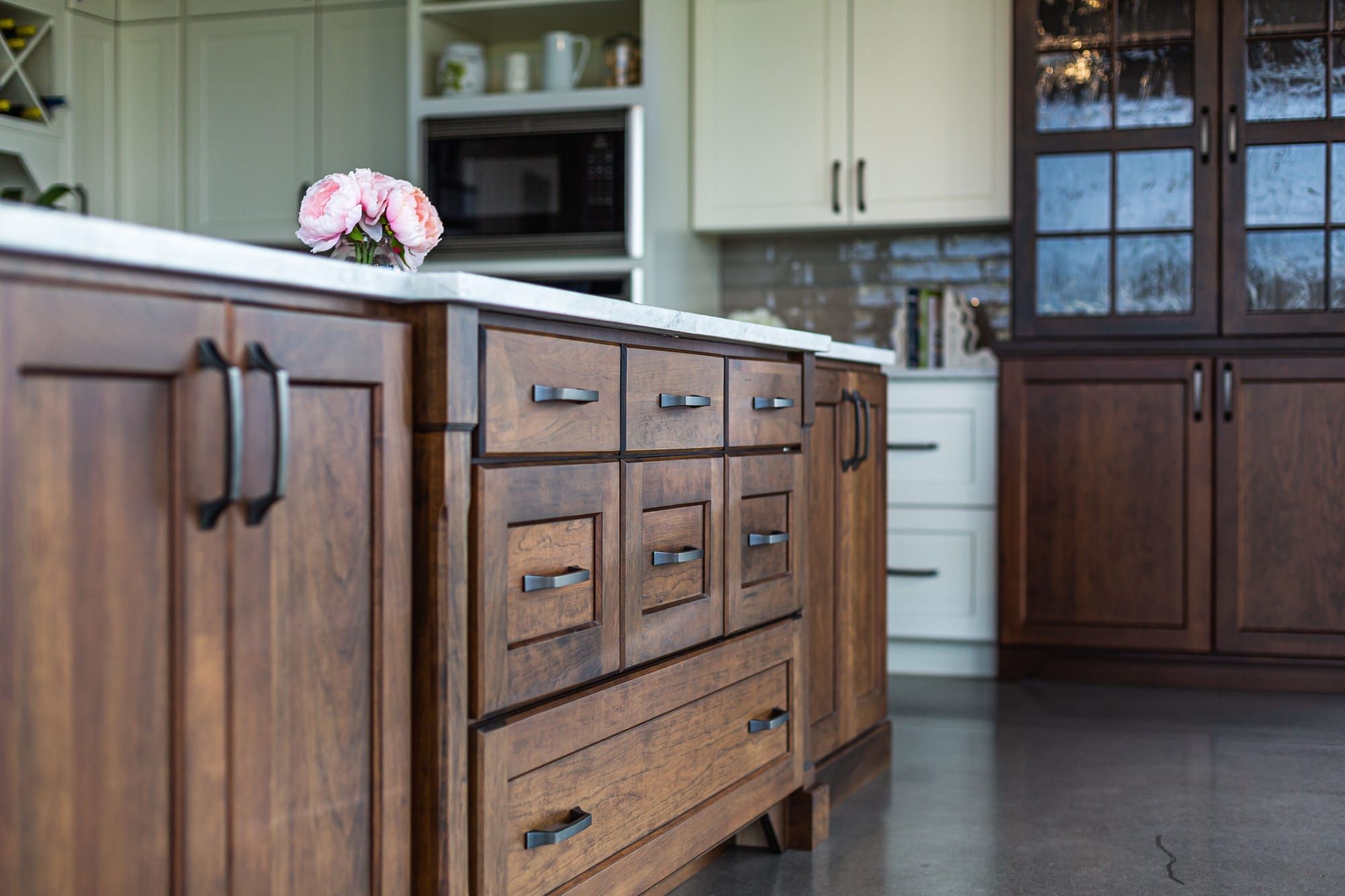
I truly believe cherry might be one of the most misunderstood woods in cabinetry. Not because there’s anything difficult about it, but because people tend to fixate on how it ages. And to be fair, cherry does change more than most species.
Freshly milled cherry starts out fairly light, sometimes almost pink or a soft reddish brown depending on the board. Over time, exposure to air and light deepens the color into the rich tone most people associate with classic cherry furniture. It’s a slow, natural process that creates a warm patina and gives even newer pieces a sense of history. In that way, cherry really does age like a fine wine.
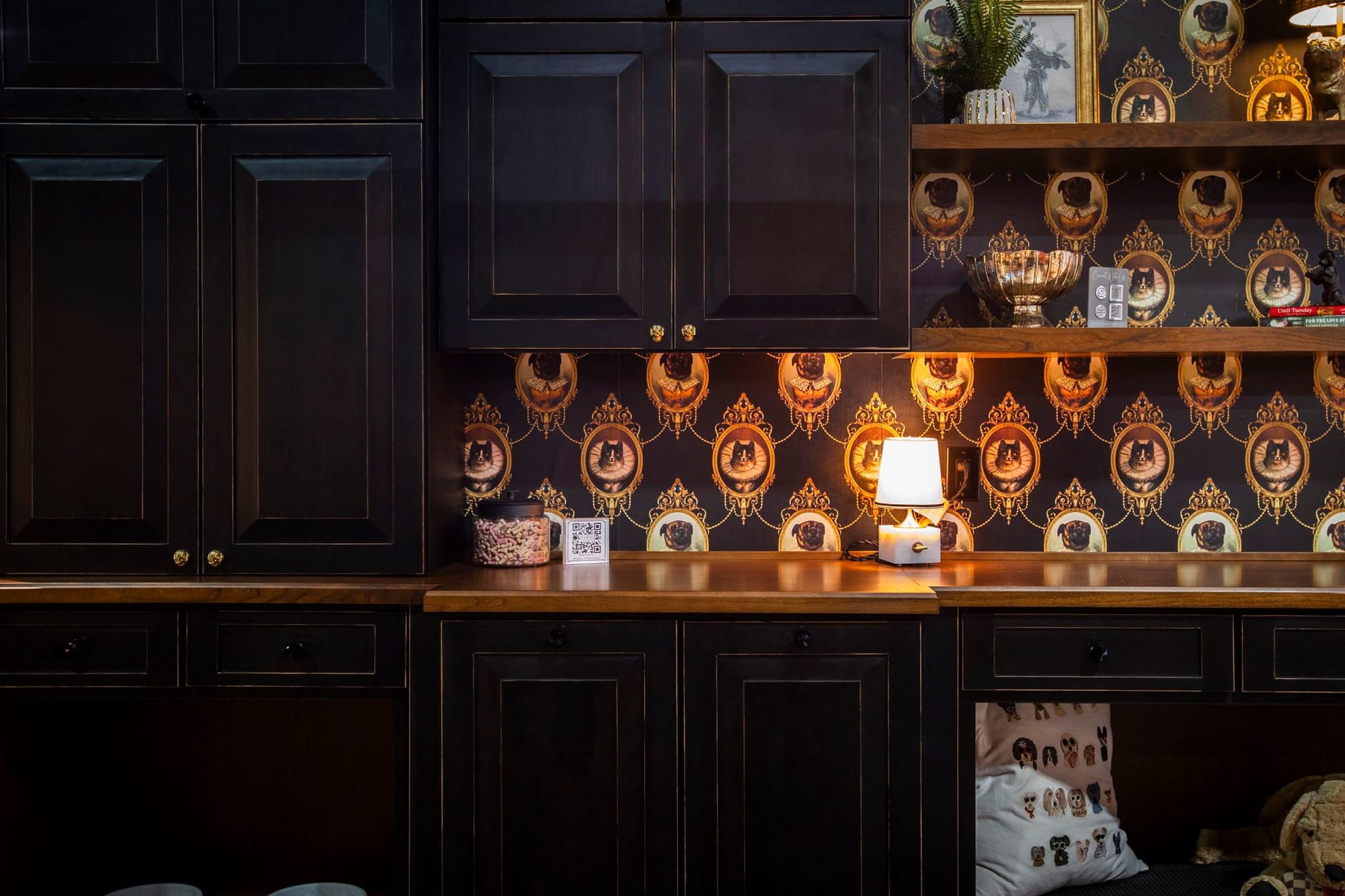
Part of the confusion comes from its past popularity. For many people, cherry brings back kitchens from the late 1990s and early 2000s, where it was often paired with heavy cherry stains and green marble countertops. The result was a very red, very dominant look. But that had more to do with finish choices than the wood itself.
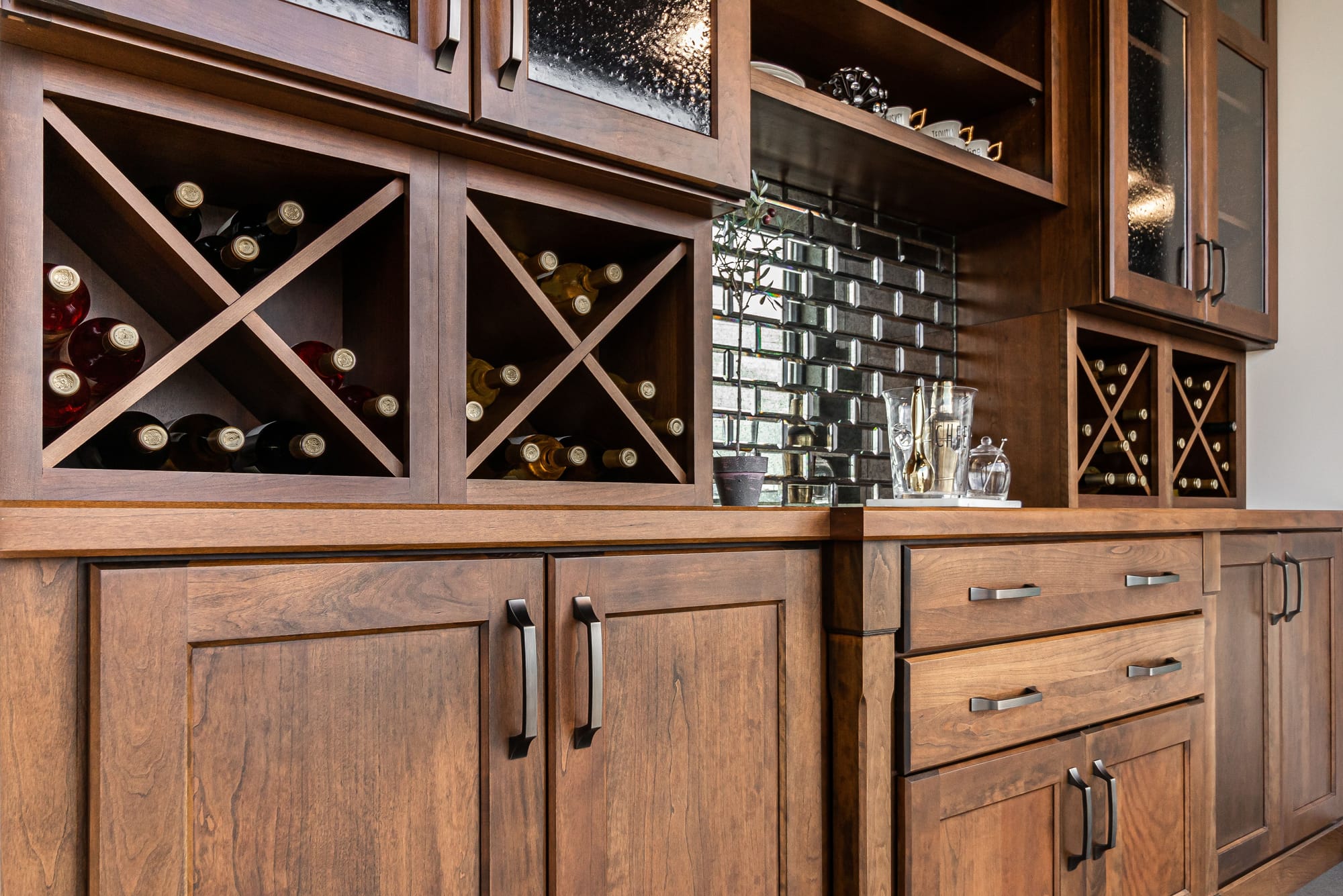
Cherry will darken over time, but with the right stain, or even a clear finish, it can stay warm, balanced, and far more natural. Modern applications tend to highlight the wood’s inherent tone rather than pushing it toward that deep burgundy color that defined that era.
Cherry is also sensitive to its environment. While it darkens with exposure to air and light, prolonged direct sunlight can have the opposite effect, slightly lightening or muting the surface over time. That’s why you may see subtle variation across a single piece depending on how light hits it. It’s not inconsistency, it’s the material responding to its surroundings.
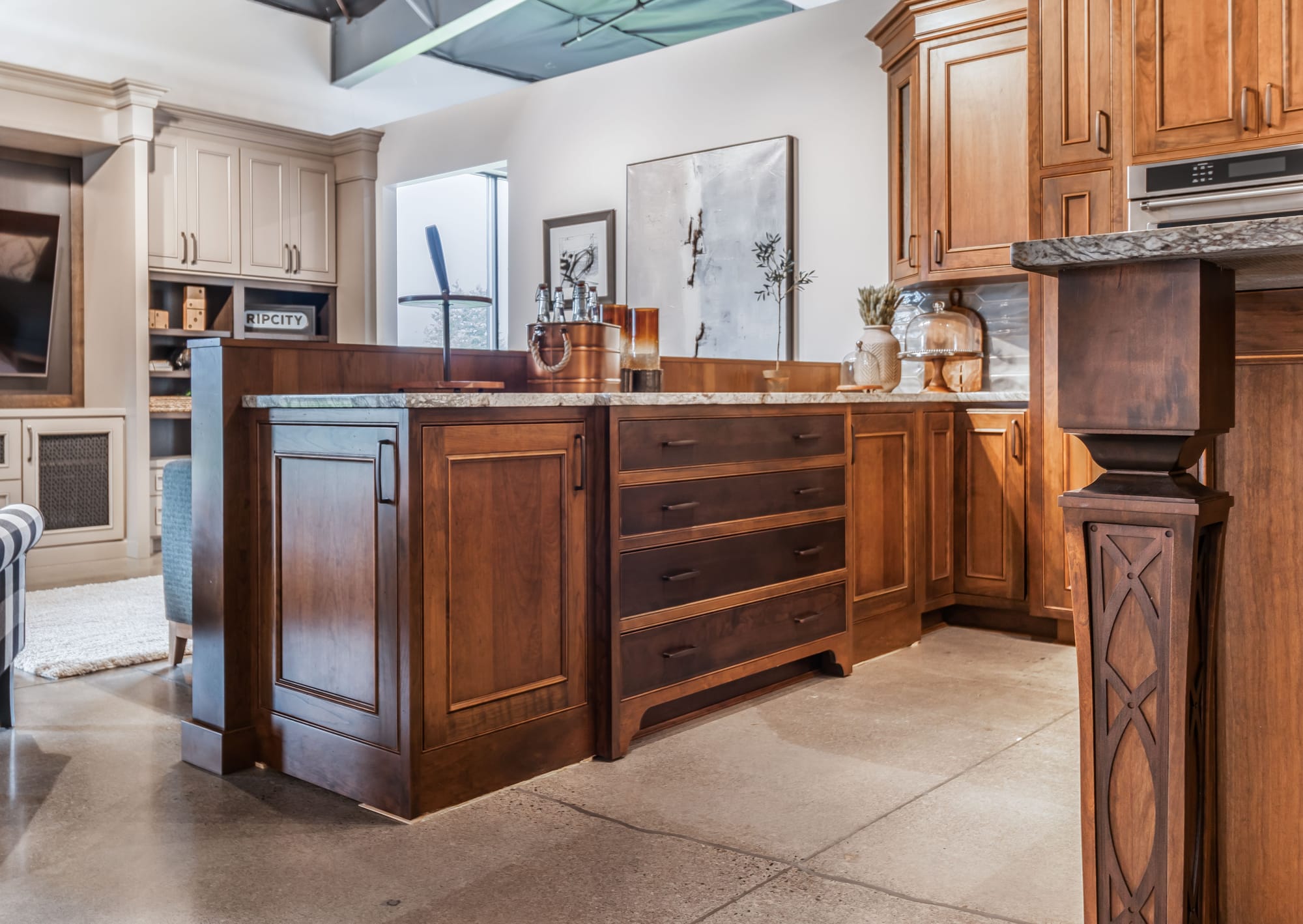
Visually, cherry is relatively uniform compared to many other hardwoods. Its grain is typically straight and fine, which gives it a smooth, refined texture once finished. You may see occasional waves or curls, but overall it reads as clean and balanced. That consistency is one reason cherry has been favored by furniture makers for centuries.
It’s also incredibly workable. Cherry cuts cleanly, sands smoothly, and finishes beautifully. Compared to harder species like maple or oak, it’s easier to shape and carve, which made it especially valuable for detailed furniture and cabinetry.
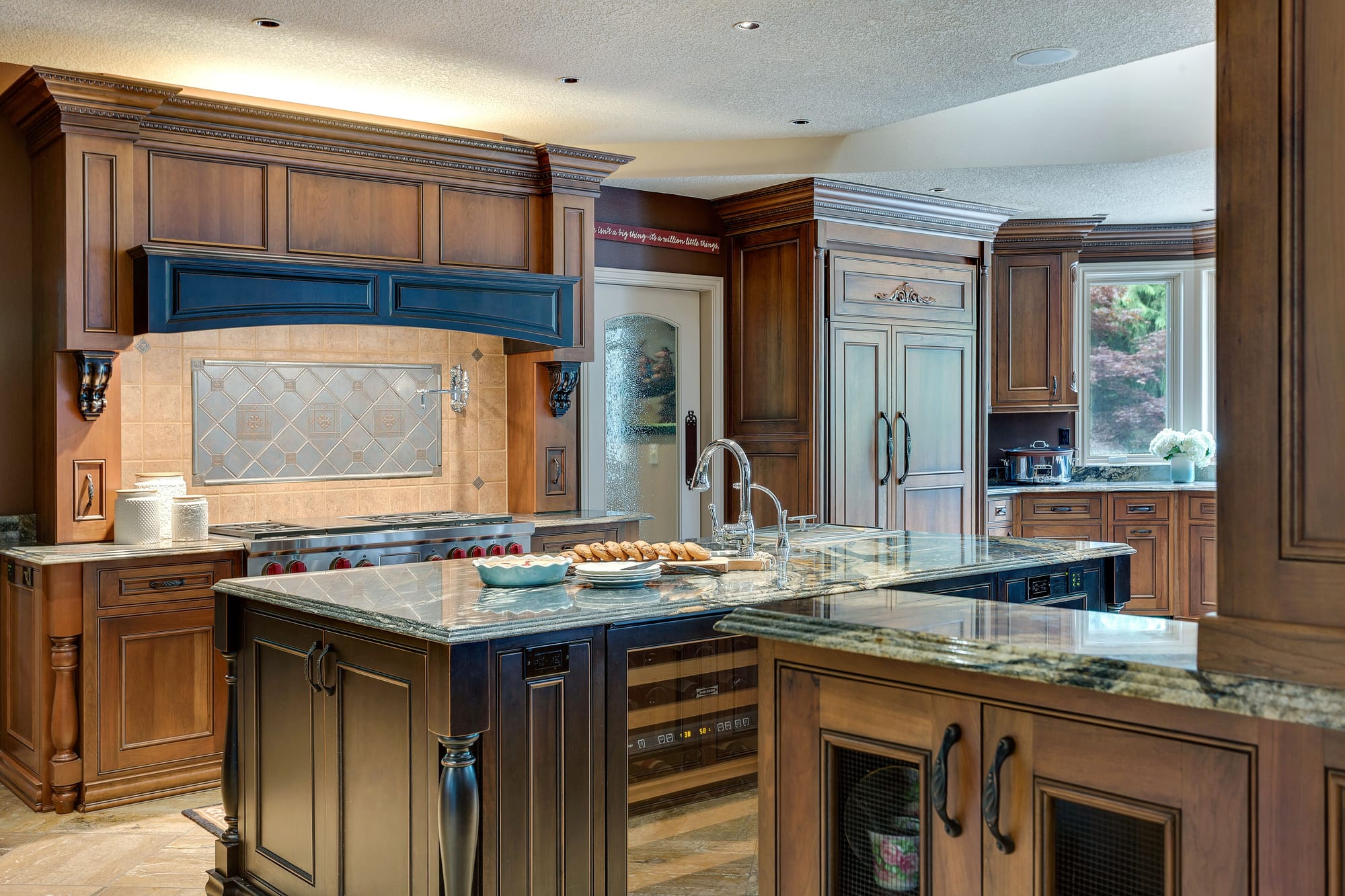
Because of that, cherry became a staple for early American furniture makers in the 18th century. You’ll see it throughout styles like Queen Anne, Shaker, and Chippendale, where its smooth grain and deepening color added richness without overwhelming the design.
Cherry’s place in American culture even shows up in folklore. The story of George Washington and the cherry tree, while likely more myth than fact, helped cement the tree as a symbol of honesty and early American heritage. Whether true or not, the association stuck, and cherry became closely tied to craftsmanship and tradition.
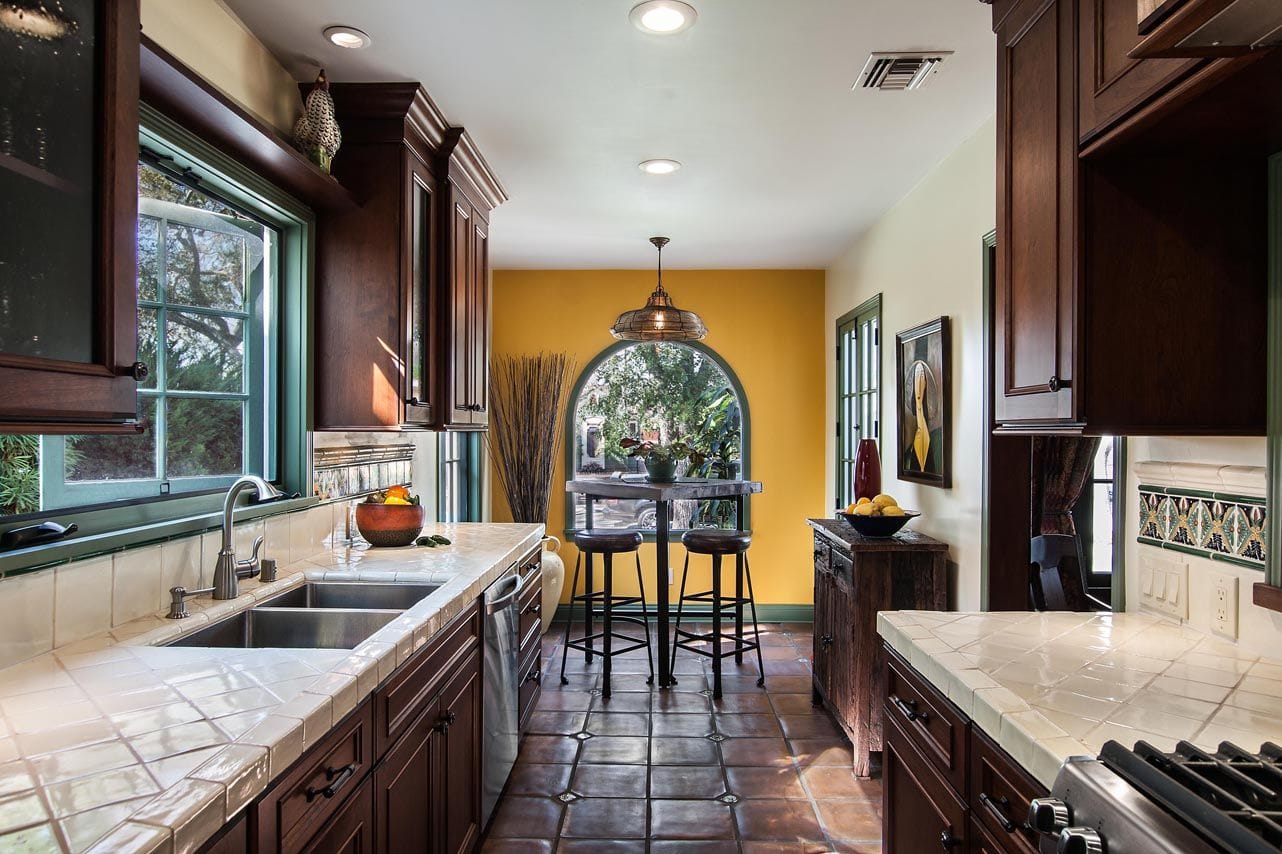
Cherry also has a natural luster that becomes more pronounced with finishing and age. It doesn’t reflect light sharply, it glows. That softness adds warmth to a space without making it feel heavy.
One thing designers and woodworkers know is that cherry can sometimes stain unevenly, often referred to as blotching. Because the wood absorbs stain at different rates, darker pigments can collect in certain areas. It’s not a flaw, just part of how cherry behaves. And it’s easy to work around. Richer brown stains or even a clear finish can create a very uniform, beautiful result.
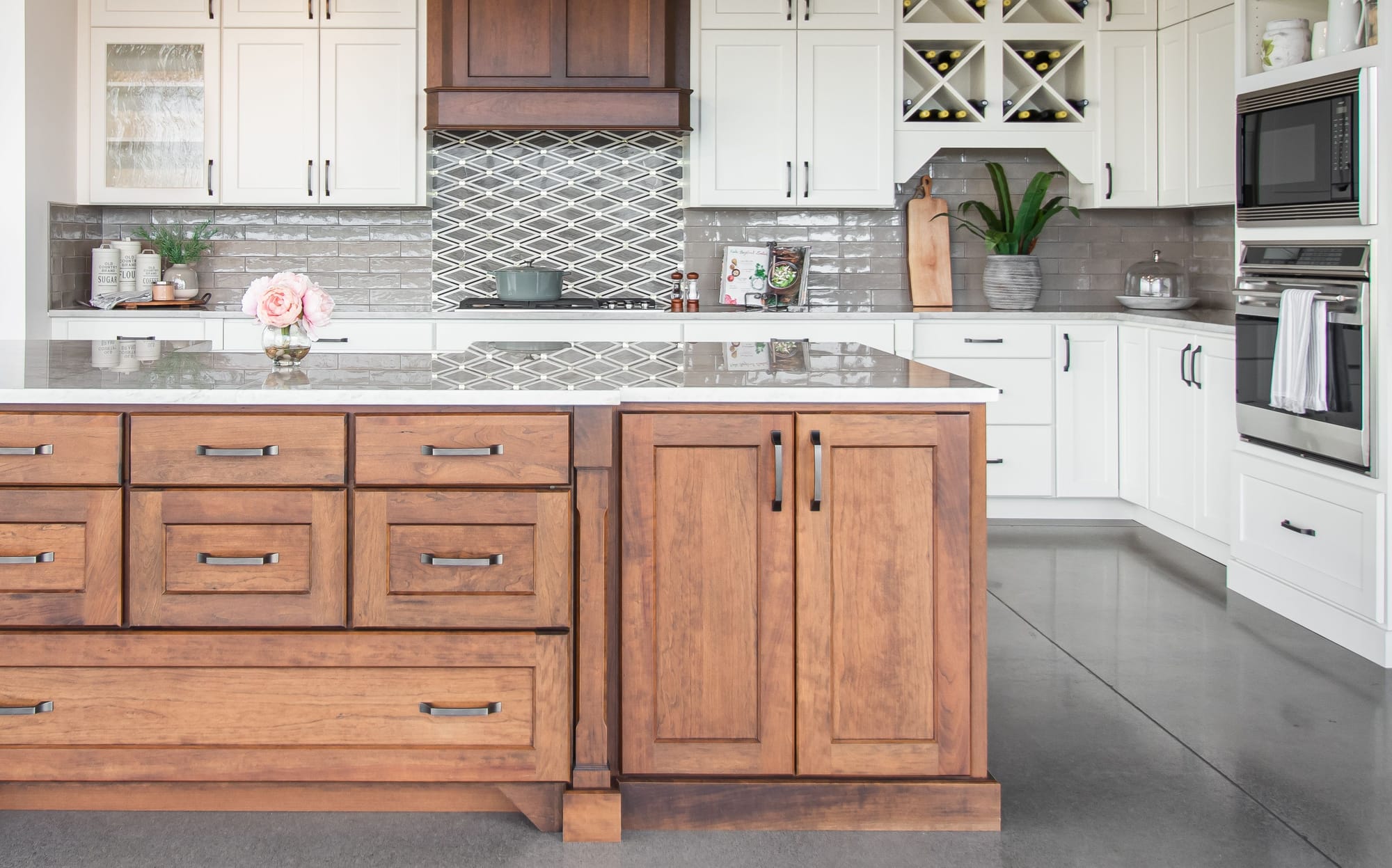
In interiors, cherry brings warmth without heaviness. It sits comfortably between traditional and modern, which is part of why it has remained relevant for so long. In traditional spaces, it reinforces craftsmanship and heritage. In more modern environments, it introduces richness without overpowering the design.
Cherry is also a wood that rewards patience. It changes quickly at first, then gradually settles into a deeper, more even tone over time. That evolution is part of what makes it so appealing. Cherry isn’t chosen for drama or contrast; it’s chosen for warmth, balance, and the kind of character that only gets better the longer you live with it.