Hickory: Strength with Character

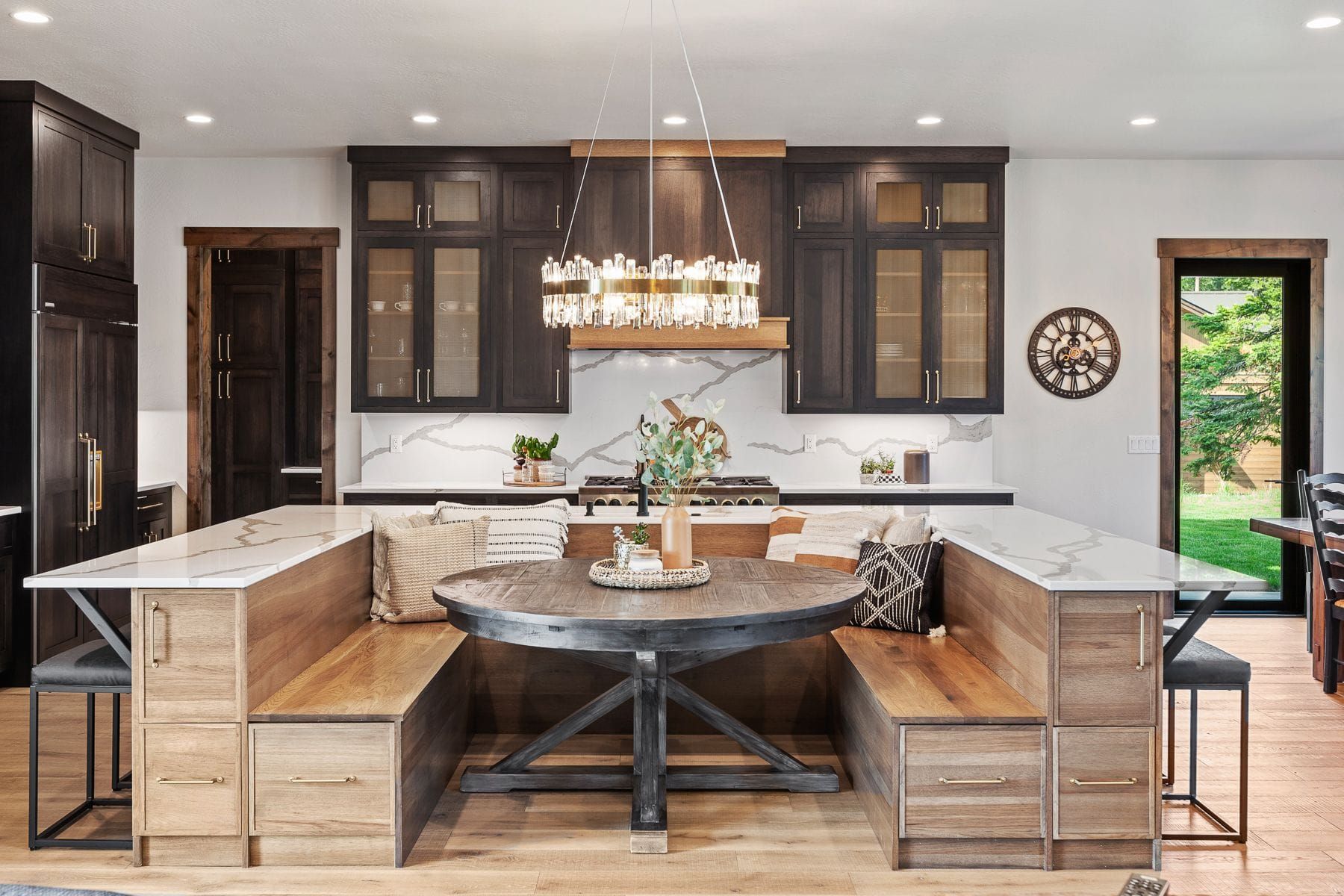
Let’s start this post by saying that I love hickory. I love its American history, the way it takes stain, and how unapologetic it is as a material. But I also think hickory is often slept on or immediately passed up by clients.
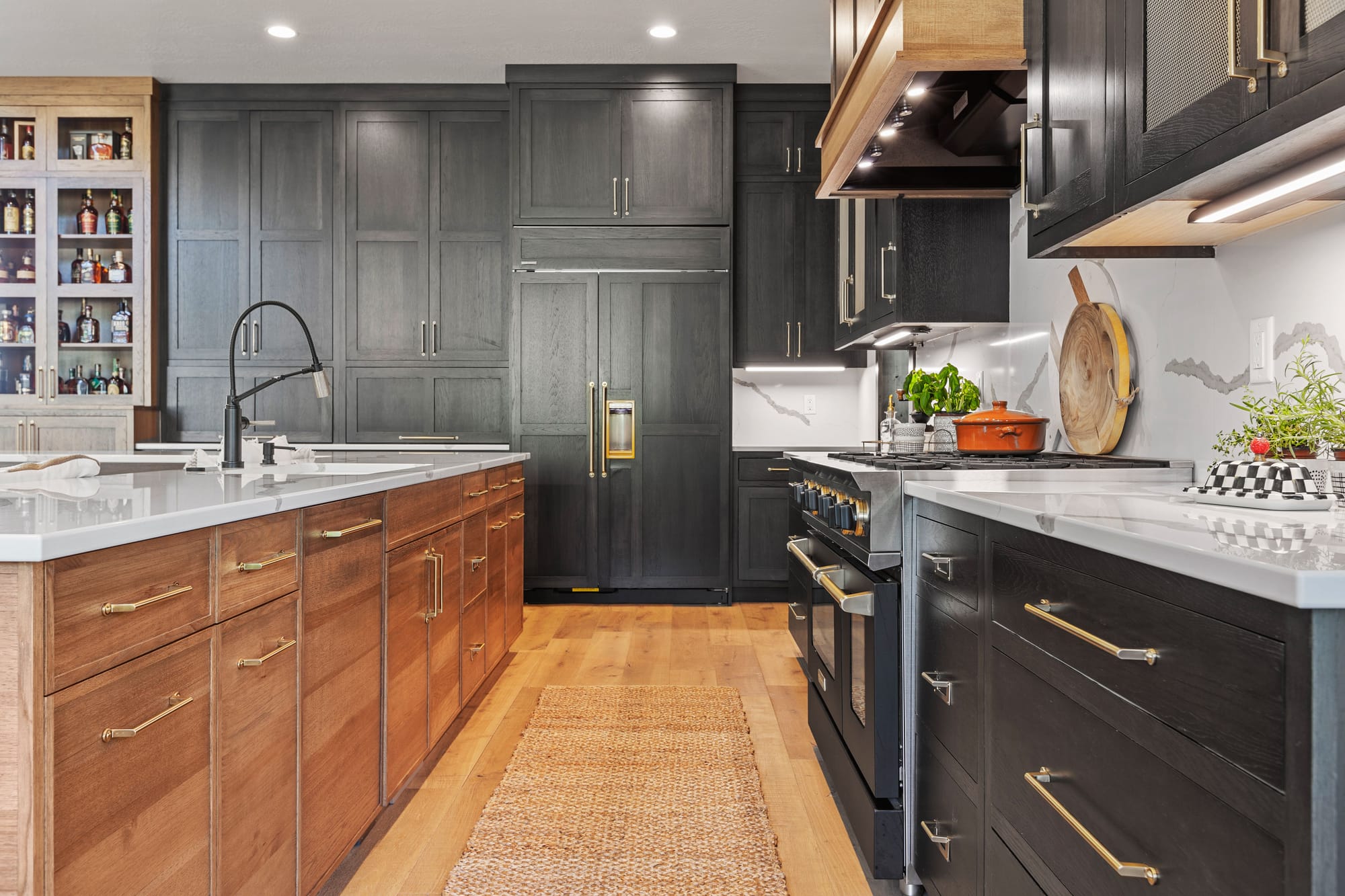
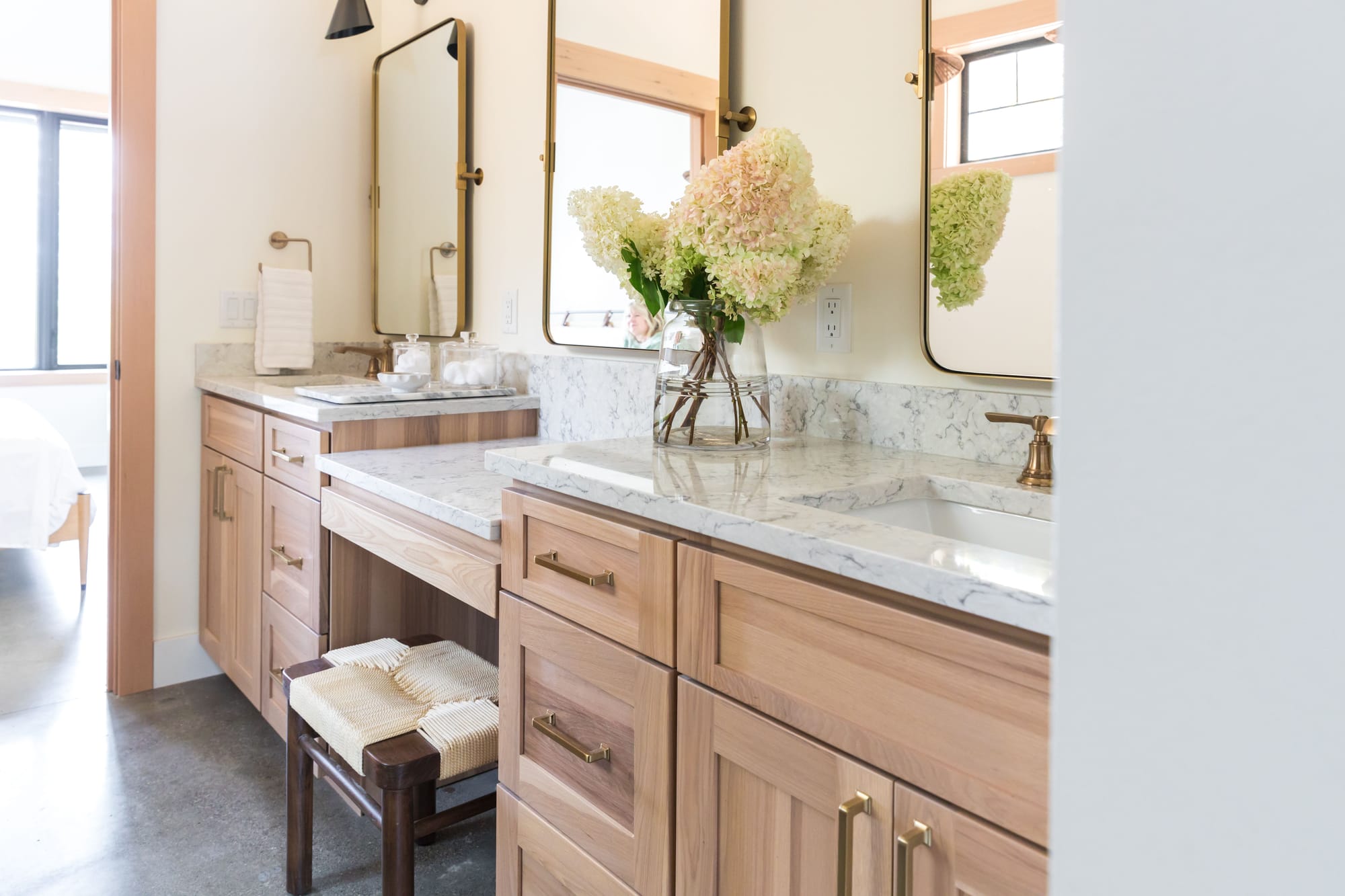
Part of that hesitation comes from its color. Hickory is known for its dramatic contrast, where pale sapwood sits right beside darker brown heartwood. The variation can be bold, sometimes almost striped, which gives the wood a lot of visual movement and energy.
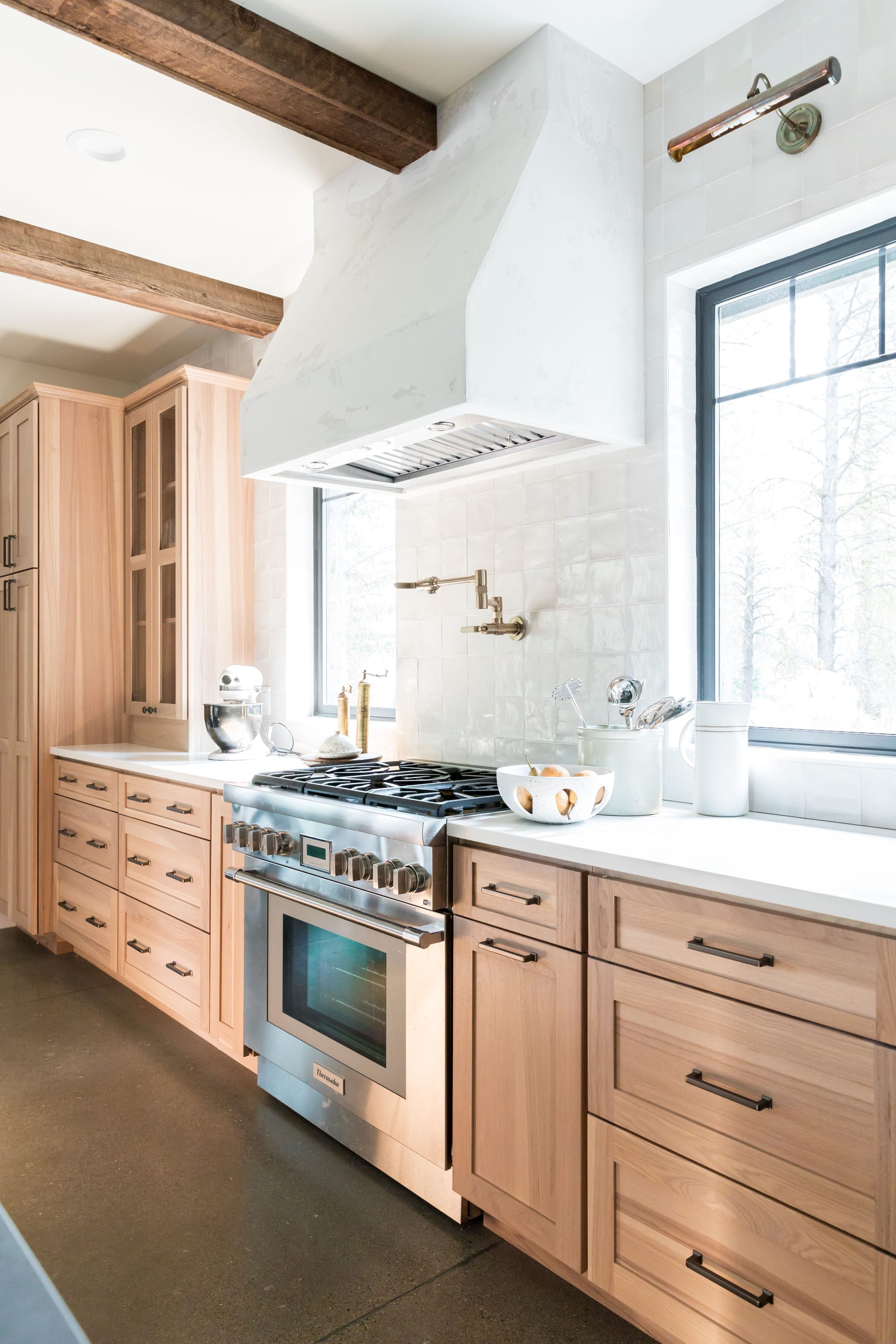
But not all hickory looks quite that dramatic. Much of the hickory used by DeWils comes from the northern Appalachian region, where colder growing conditions tend to produce wood with cleaner grain and more balanced coloring. Often referred to as Calico Hickory, this material still carries the natural variation the species is known for, but the contrast tends to be more controlled and refined. The result is a look that keeps the personality of hickory without feeling overly rustic.
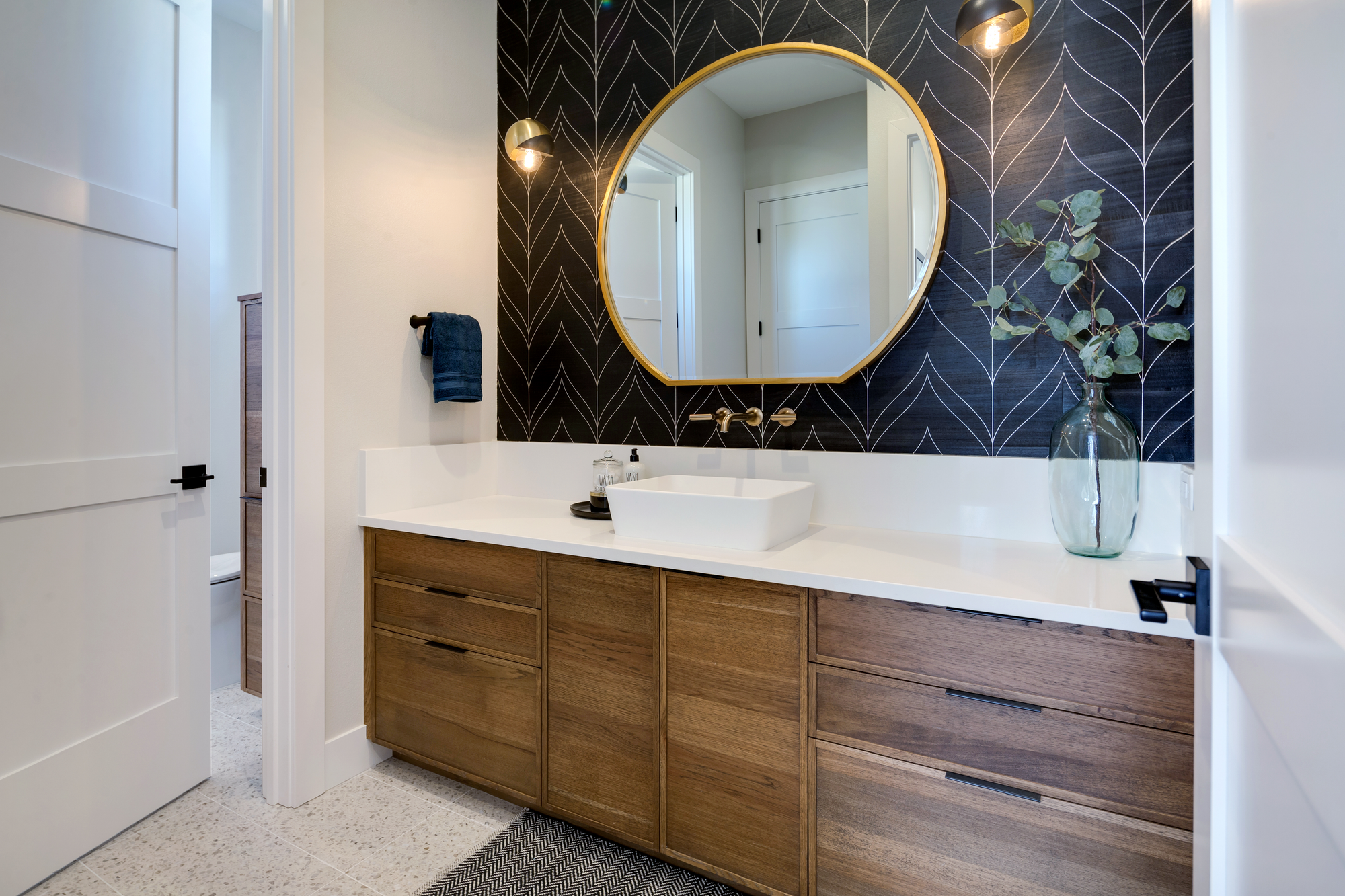
Hickory is one of the hardest domestic hardwoods in North America, ranking high on the Janka hardness scale. Its strength and durability make it ideal for high-wear applications like flooring, cabinetry, and furniture that needs to hold up over time.
More importantly, hickory has exceptional shock resistance. It can absorb impact better than many other woods, which is why it has historically been used for things that need to take repeated force: tool handles, axes, sledgehammers, and wagon wheels (really, they were a required wood for wagon wheels on the Oregon Trail).
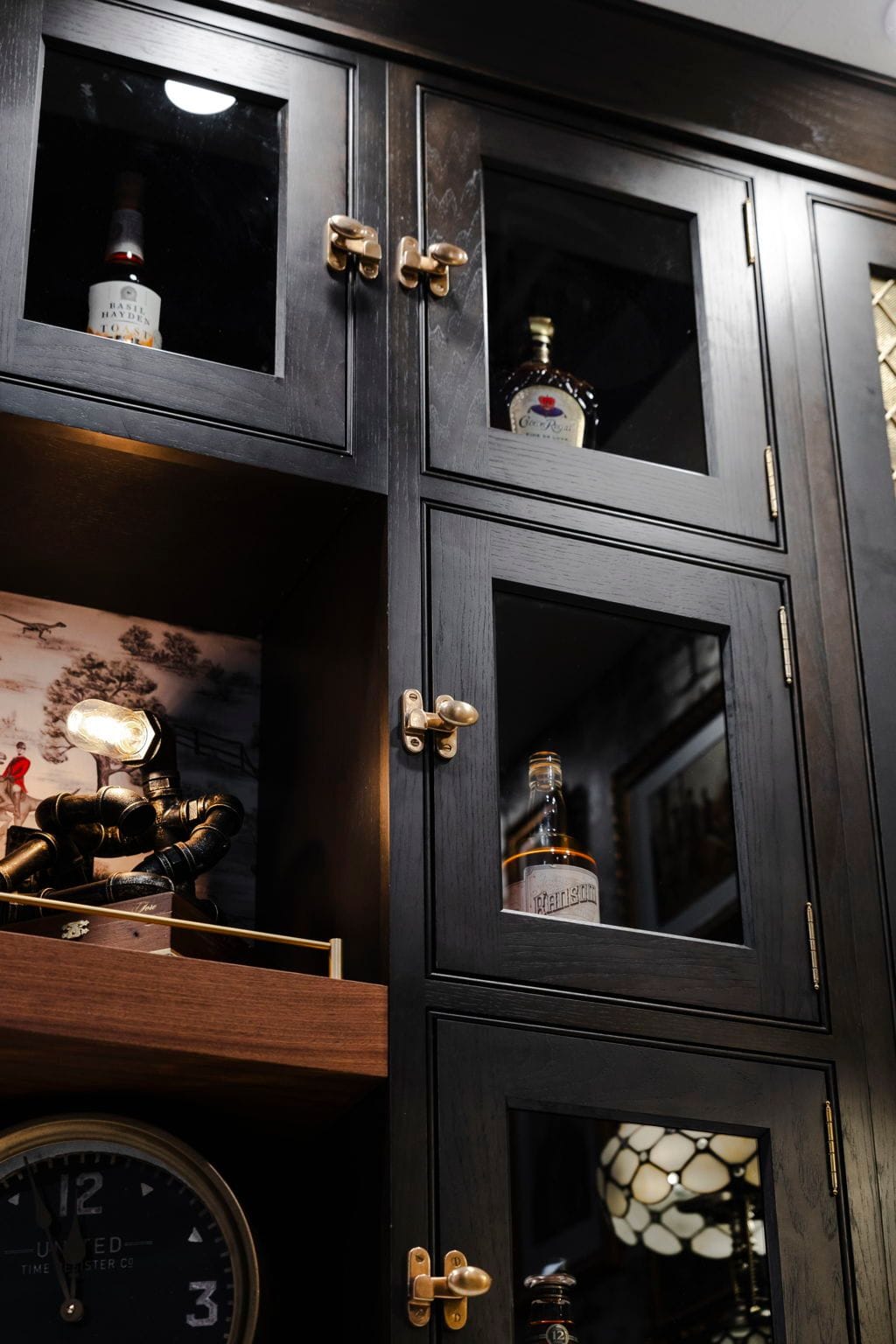
You’ll still see it used today in items like baseball bats and drumsticks, where durability and resilience matter just as much as strength.
That toughness does make hickory a little more challenging to work with. Its density can resist cutting and shaping, and it requires sharp tools and careful handling to avoid tear-out. But when it’s handled properly, it finishes beautifully and reveals the full range of its natural grain and color variation.
Hickory also has deep roots in American history. Native Americans used it to craft bows, tools, and weapons because of its combination of strength and flexibility. Later, the wood became so closely associated with toughness that U.S. President Andrew Jackson earned the nickname “Old Hickory,” a reference to his stubborn durability. The reputation stuck, and the wood has carried it ever since.
Hickory is also widely available throughout North America, particularly in the eastern United States. Because it grows abundantly and is harvested from sustainably managed forests, it’s considered a responsible and environmentally conscious hardwood choice.
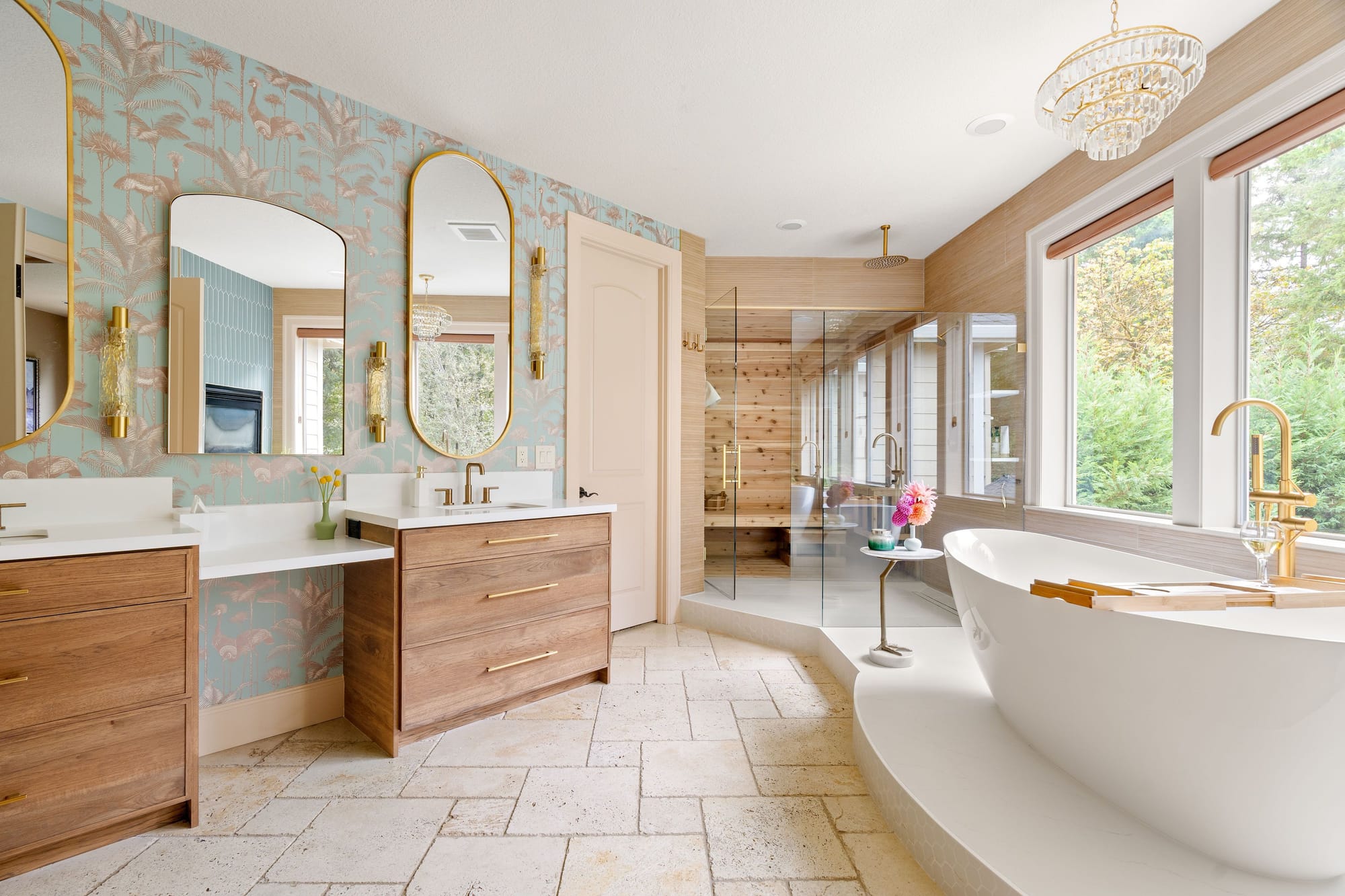
In interiors, hickory brings a different kind of personality than woods like walnut or mahogany. Where those species feel refined and uniform, hickory feels energetic and natural. The variation between boards creates visual texture that makes cabinetry and furniture feel alive rather than perfectly controlled.
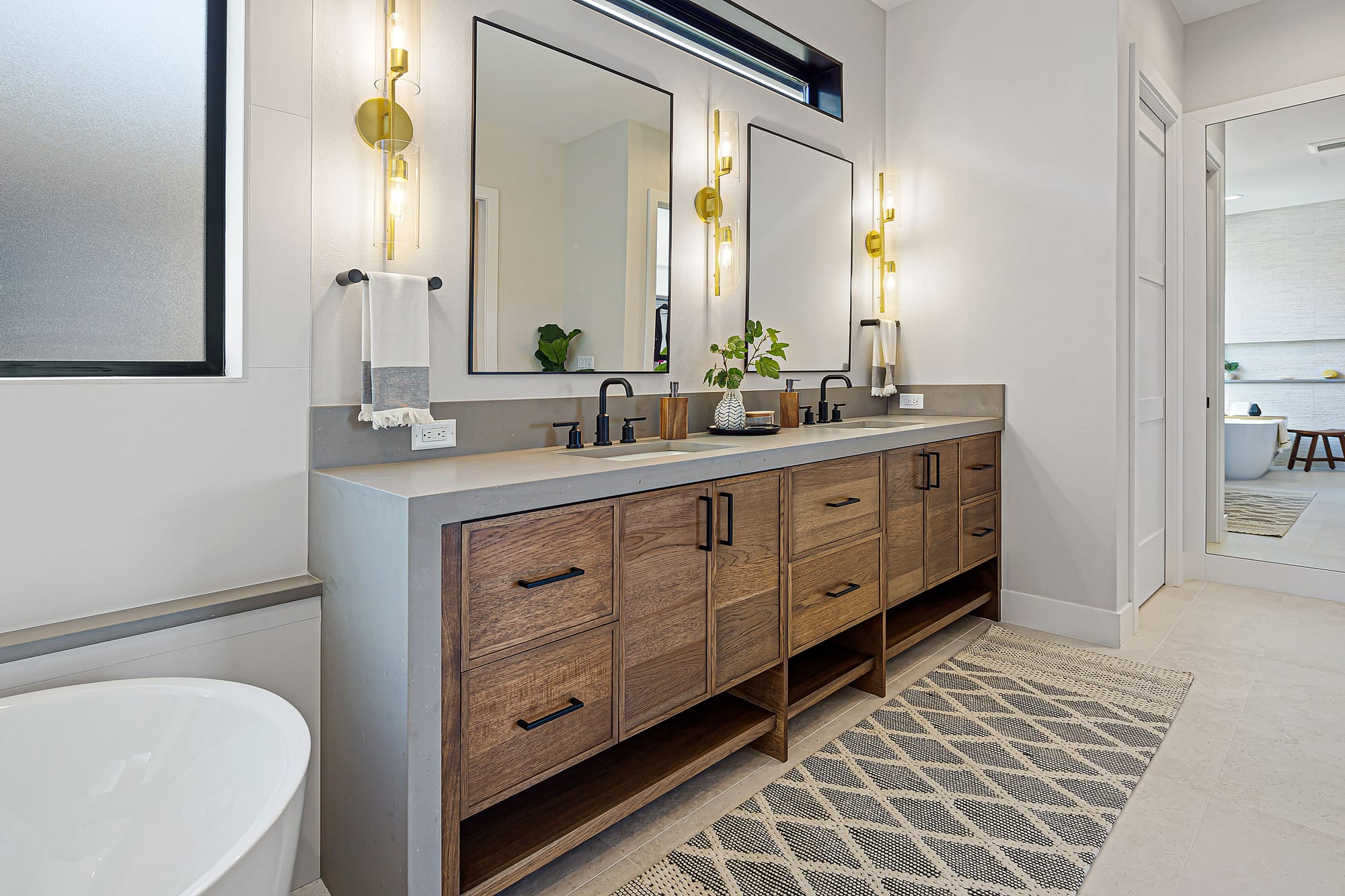
It’s also surprisingly adaptable. Hickory can be finished naturally to highlight its light and dark variation or stained to create a more unified tone. It naturally looks incredible in more rustic environments, but because of how well it stains, it can look incredibly soft in a more modern environment.
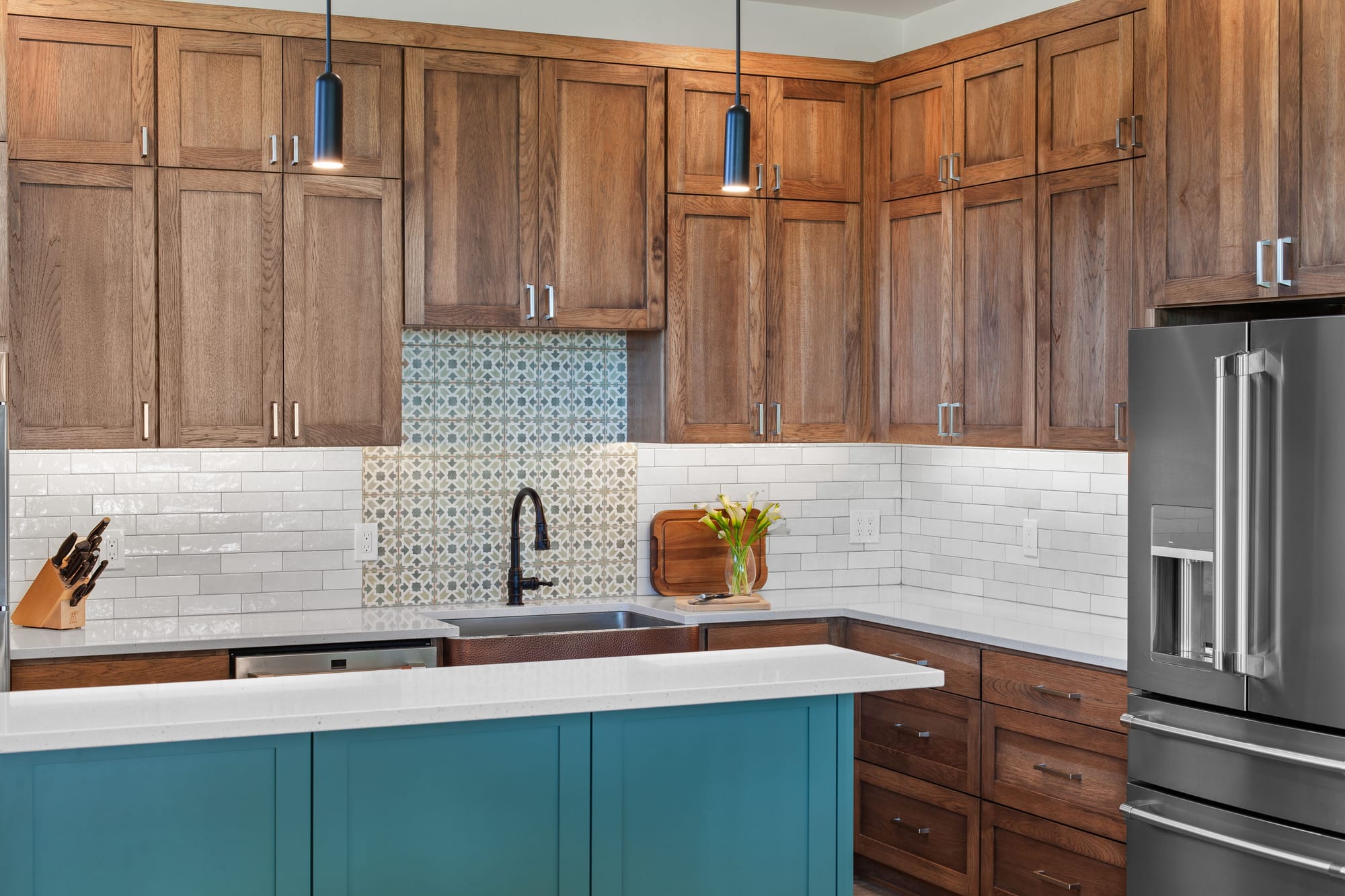
Hickory isn’t a wood people choose when they want perfect uniformity. It’s chosen when character or durability matters. When you want something that feels strong, honest, and natural without trying too hard. And sometimes that’s exactly the kind of presence a room needs.