Walnut: Luxury in its Most Natural Form

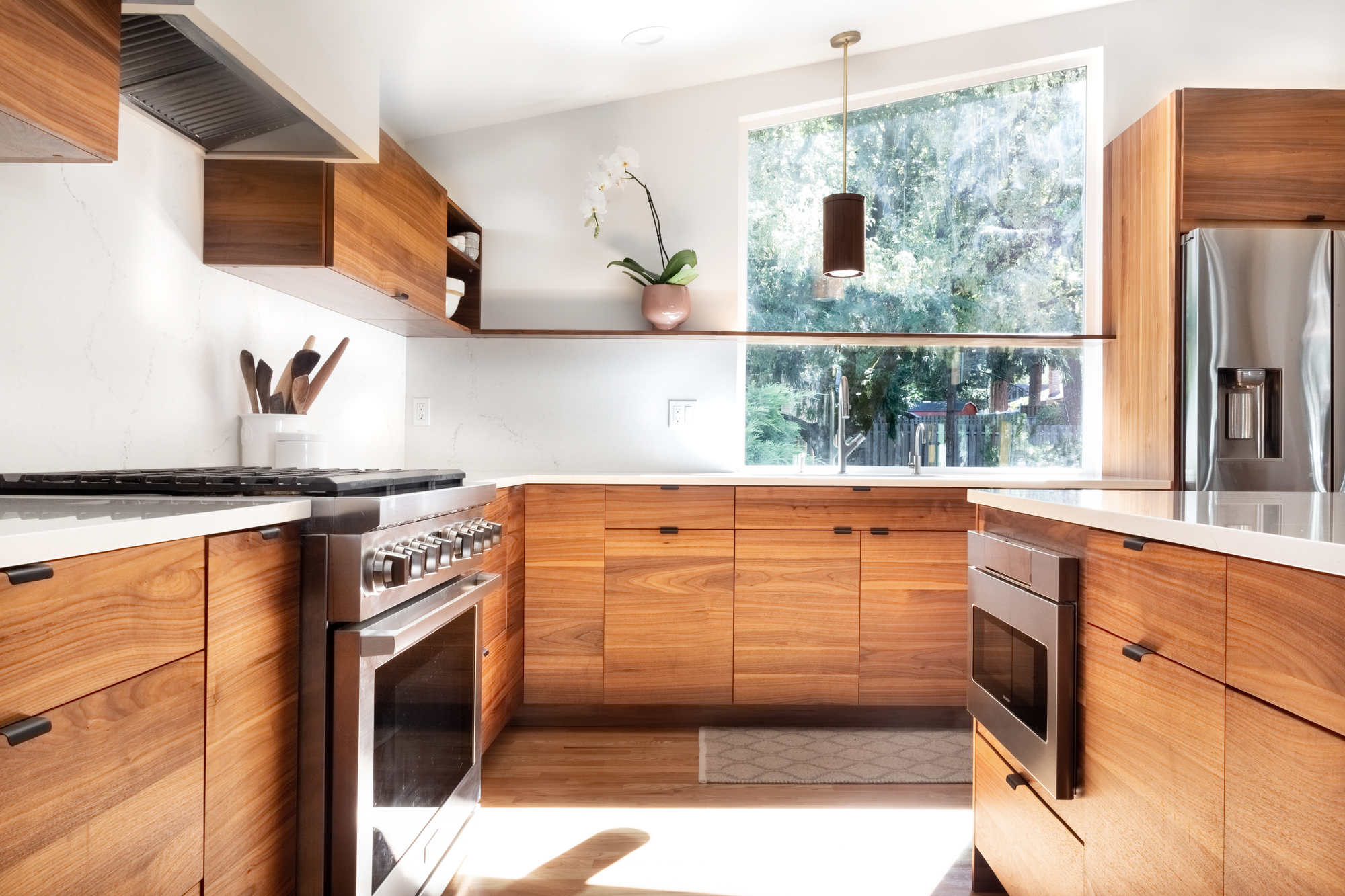
There are woods that support a design, and then there are woods that define it. American Black Walnut belongs firmly in the latter. In a world of pale finishes and washed surfaces, walnut feels almost radical. Its saturated browns, smoky undertones, and unmistakable depth create instant gravitas. It does not rely on ornament or trend. It commands attention through substance alone.
Botanically known as Juglans Nigra, walnut has been cherished for centuries. It furnished the studies of scholars, the cases of fine instruments, and the interiors of homes meant to stand the test of time. Its beauty is not decorative in the fleeting sense; it is structural, emotional, and deeply rooted in time.
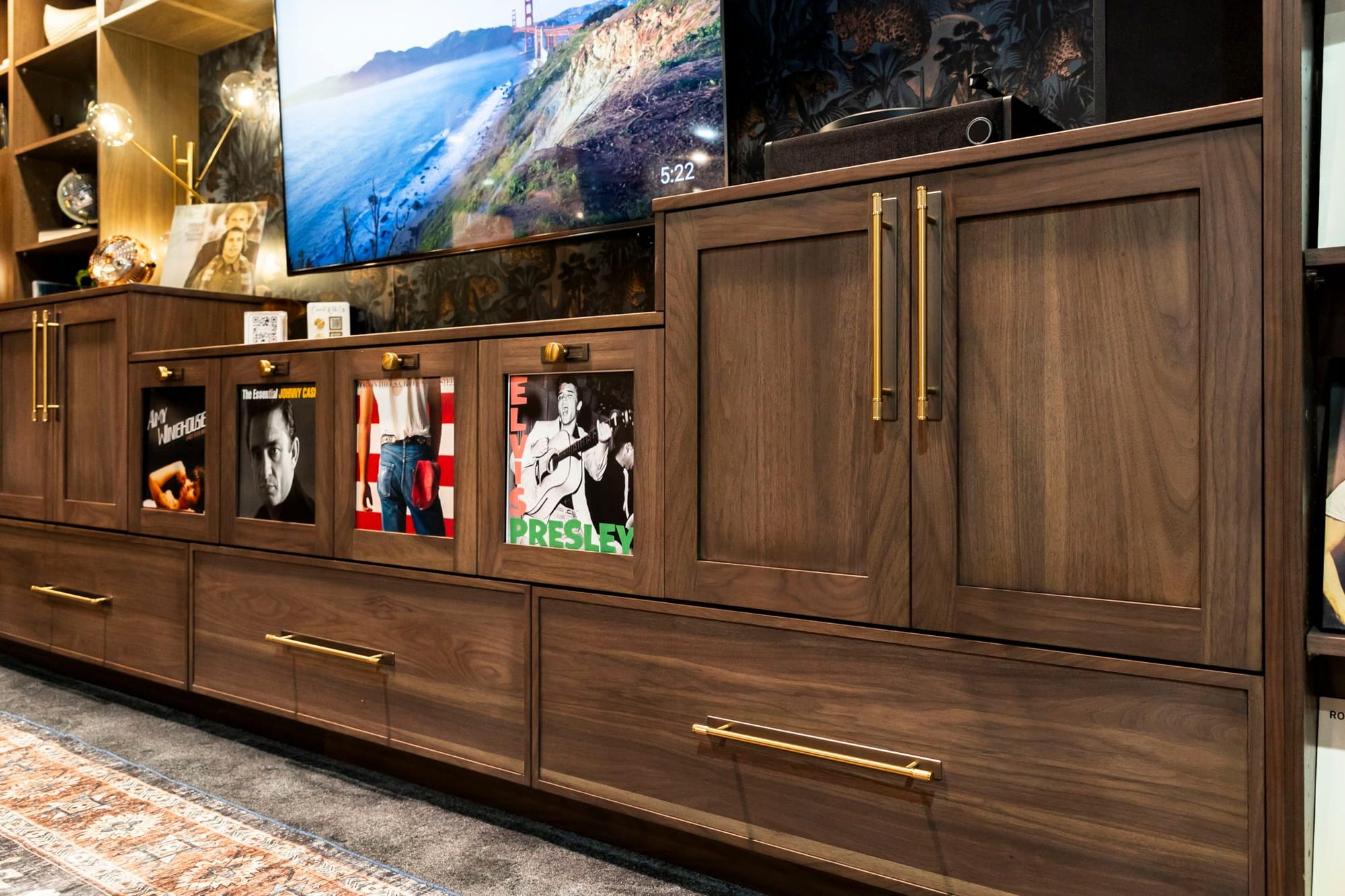
Walnut’s color is its signature: rich browns that range from deep cocoa to softened chocolate, often layered with purplish or smoky undertones. Pale sapwood may appear alongside darker heartwood, creating a natural contrast that feels intentional rather than imperfect. This interplay of light and dark is part of walnut’s beauty. It is a wood that acknowledges complexity rather than hiding it.
Its grain is typically straight and fine, though it can reveal waves, curls, and even dramatic burl figuring. When sanded and finished, it becomes almost silky. There is a reason woodworkers speak of walnut so highly. It machines cleanly, shapes beautifully, holds joinery well, and accepts finish in a way that enhances rather than obscures its character.
In folklore, walnut has always carried a certain lure. Across parts of Europe, walnut trees were believed to be too powerful to sleep beneath, said to stir the mind and provoke vivid dreams. That belief wasn’t entirely metaphorical. Walnut produces a natural compound called juglone that suppresses the growth of many plants beneath its canopy. It doesn’t compete particularly well for space. It simply creates conditions where it stands alone. Even in the wild, walnut has a way of establishing presence.
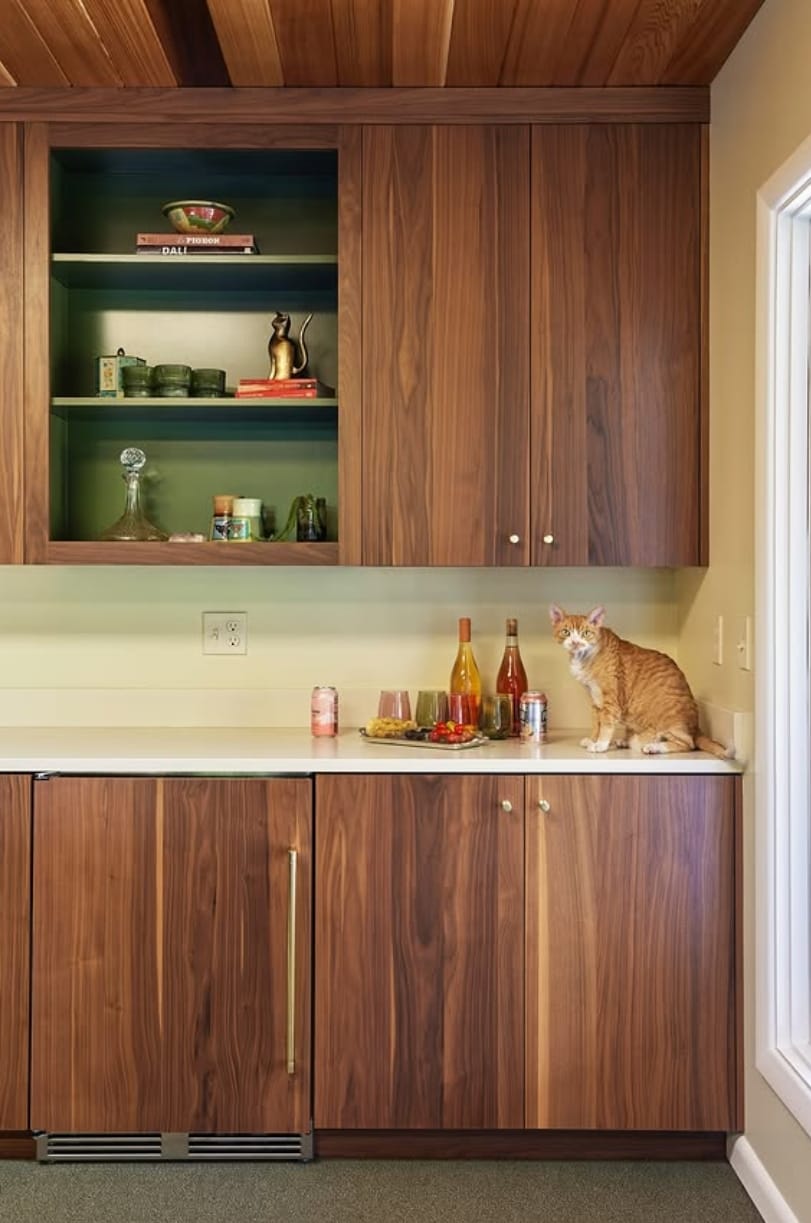
That reverence followed it indoors. Walnut became the material of desks where letters were written by hand, tables that hosted long conversations, and furniture built not for fashion but for inheritance. In the 18th and 19th centuries, it was especially favored for fine furniture in both Europe and America. To choose walnut was to choose something that would endure, structurally and culturally.
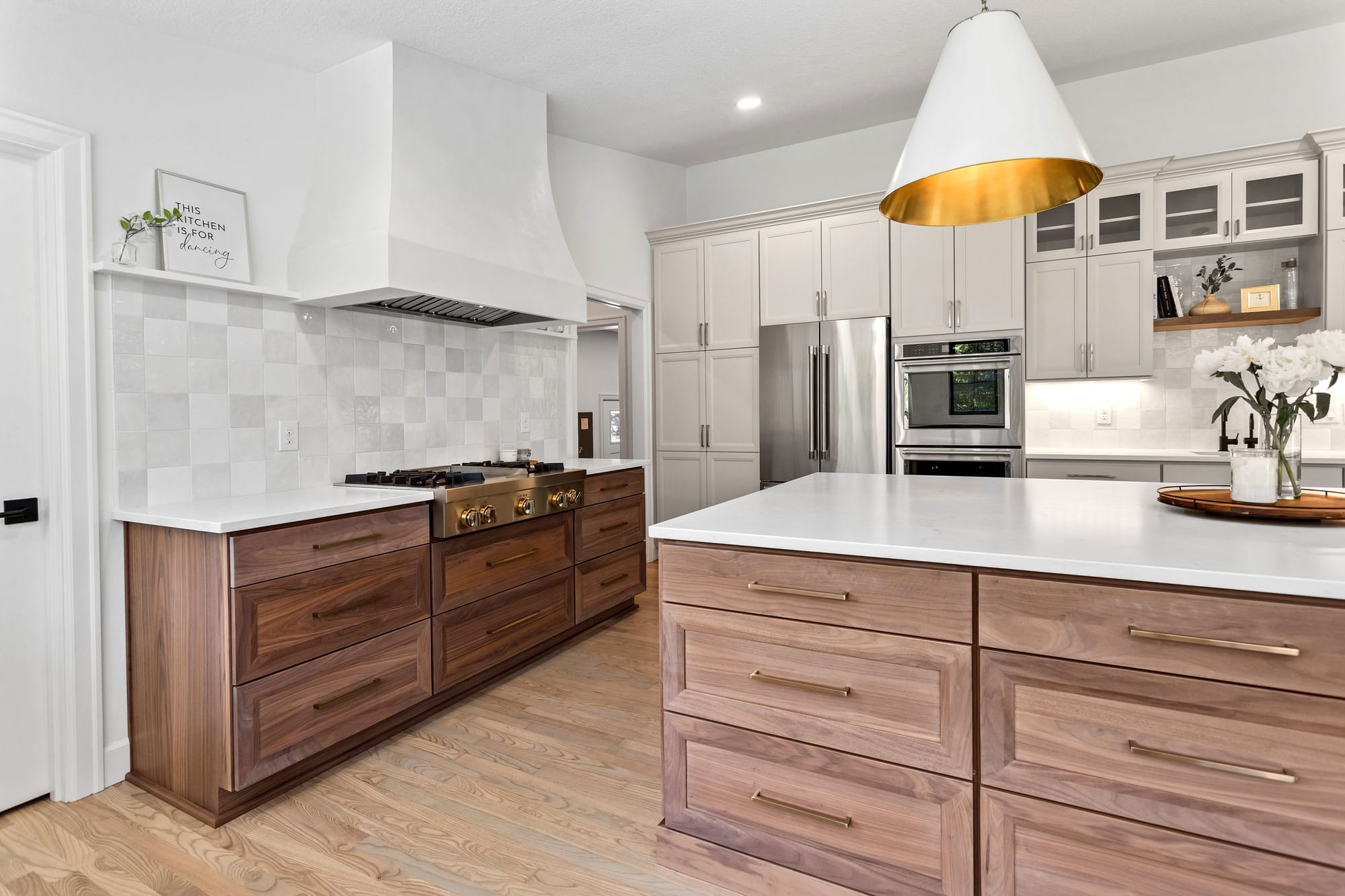
Symbolically, walnut has long represented wisdom, abundance, and continuity. In ancient Roman wedding traditions, walnuts were tossed as blessings of prosperity and fertility. Encased in layers, the walnut fruit itself became a metaphor for value earned slowly, protected carefully, and revealed only when ready. That symbolism still resonates. Walnut interiors do not just convey luxury, they embody it.
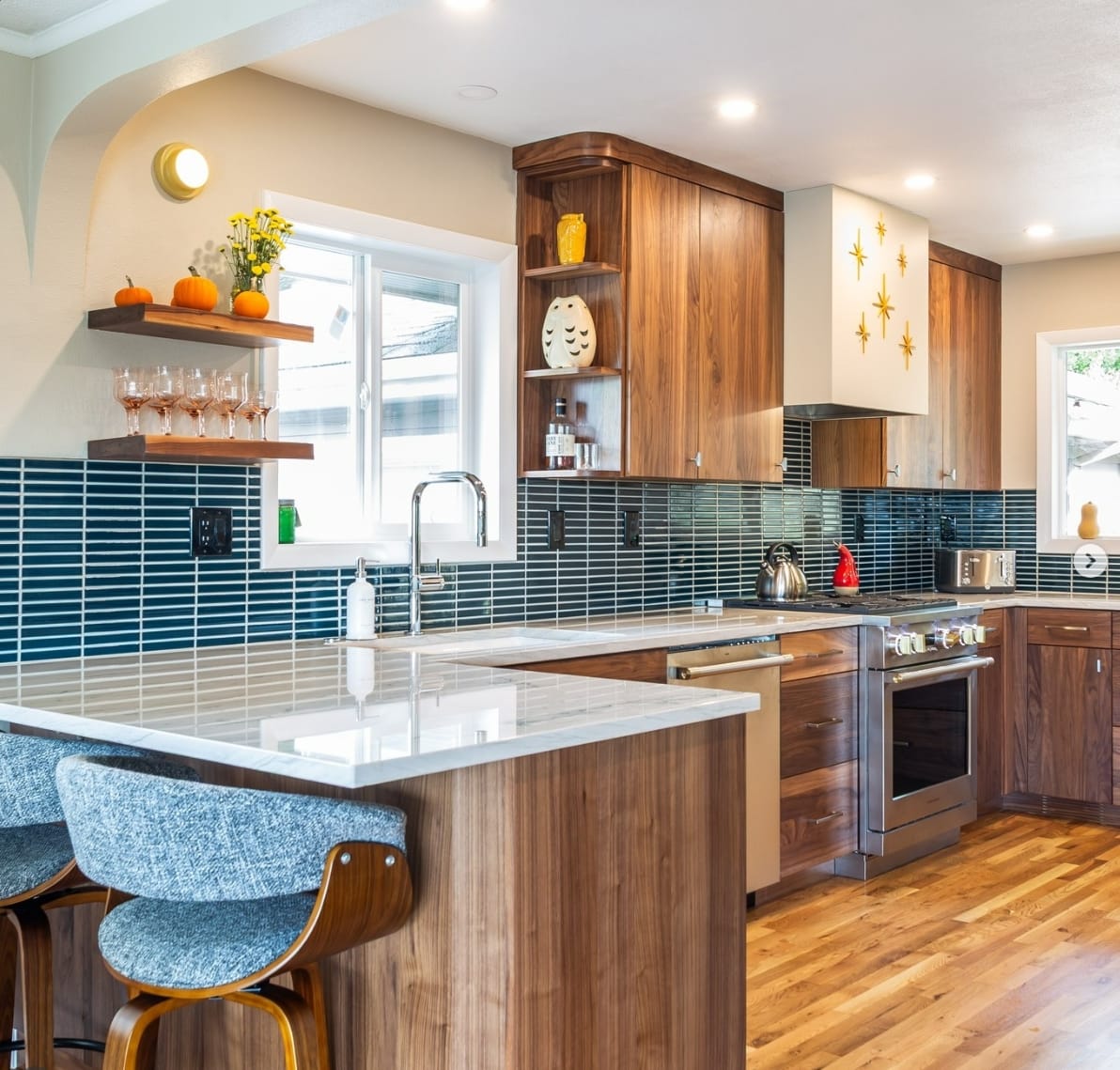
One of walnut’s most compelling qualities is its relationship with time. Freshly milled walnut begins dark and moody, then gently lightens to a warmer golden brown as it is exposed to air and sunlight. The shift is subtle through the years, but is noticeable, resulting in a mellow glow that feels lived-in rather than aged.
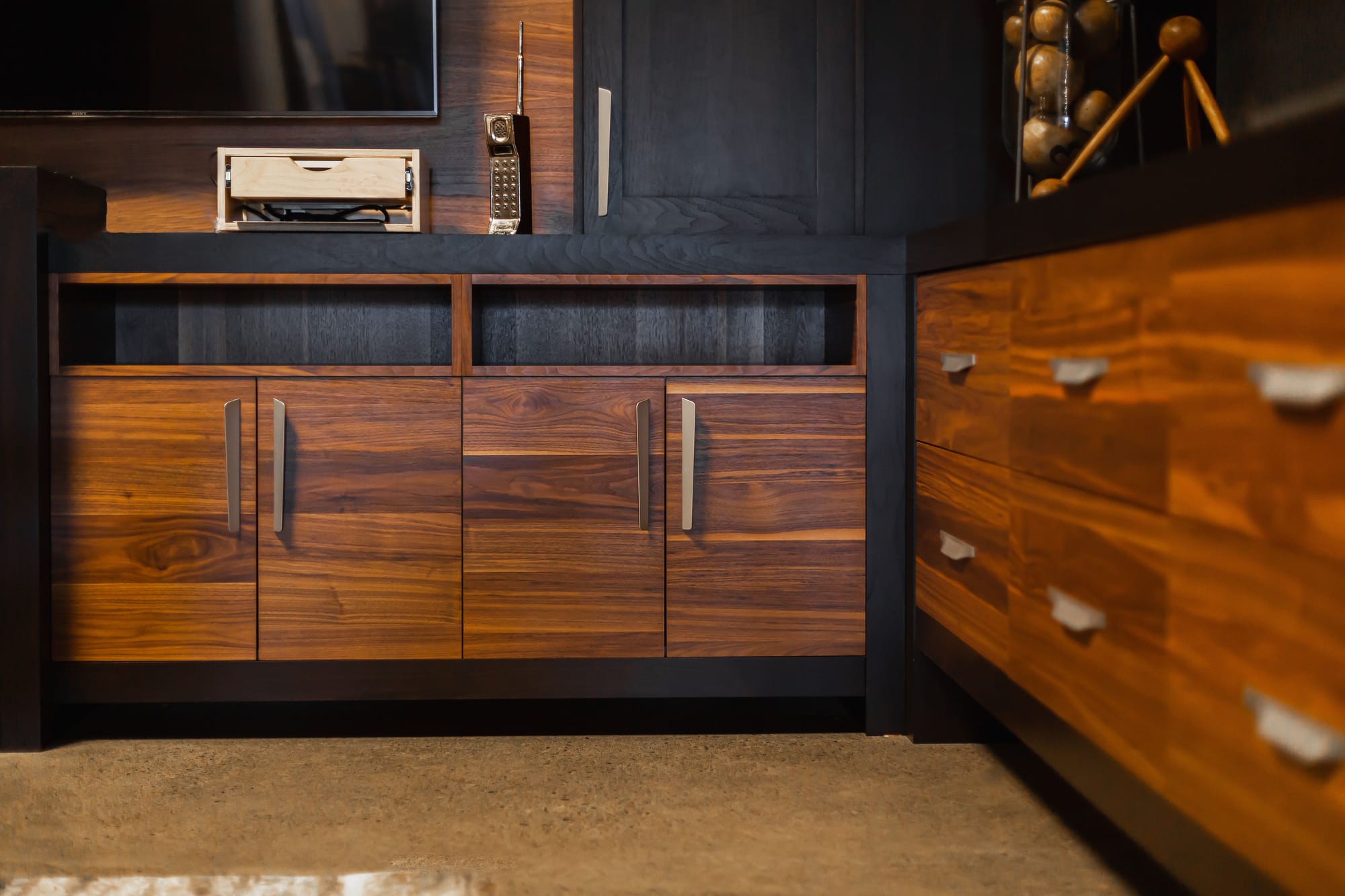
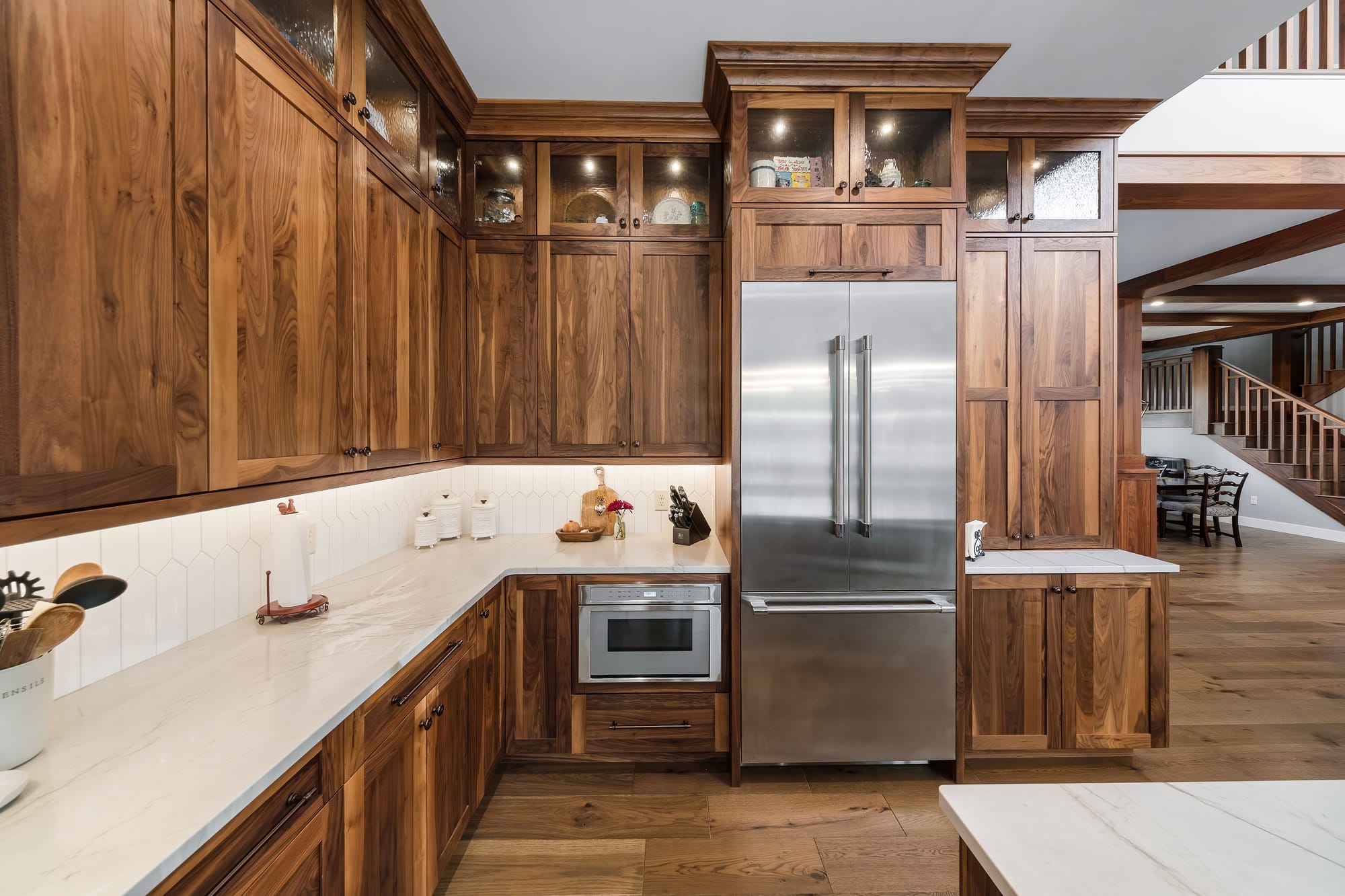
Structurally, walnut sits in a rare middle ground. It is a medium-density hardwood, strong enough for heirloom furniture and cabinetry, yet lighter in weight than oak or maple. It resists warping and shrinking when properly milled, holds nails and screws securely, and glues reliably. While not the hardest domestic hardwood, it balances durability with workability in a way few species manage. That balance is part of why it appears everywhere from architectural millwork to flooring, paneling, and even gunstocks.
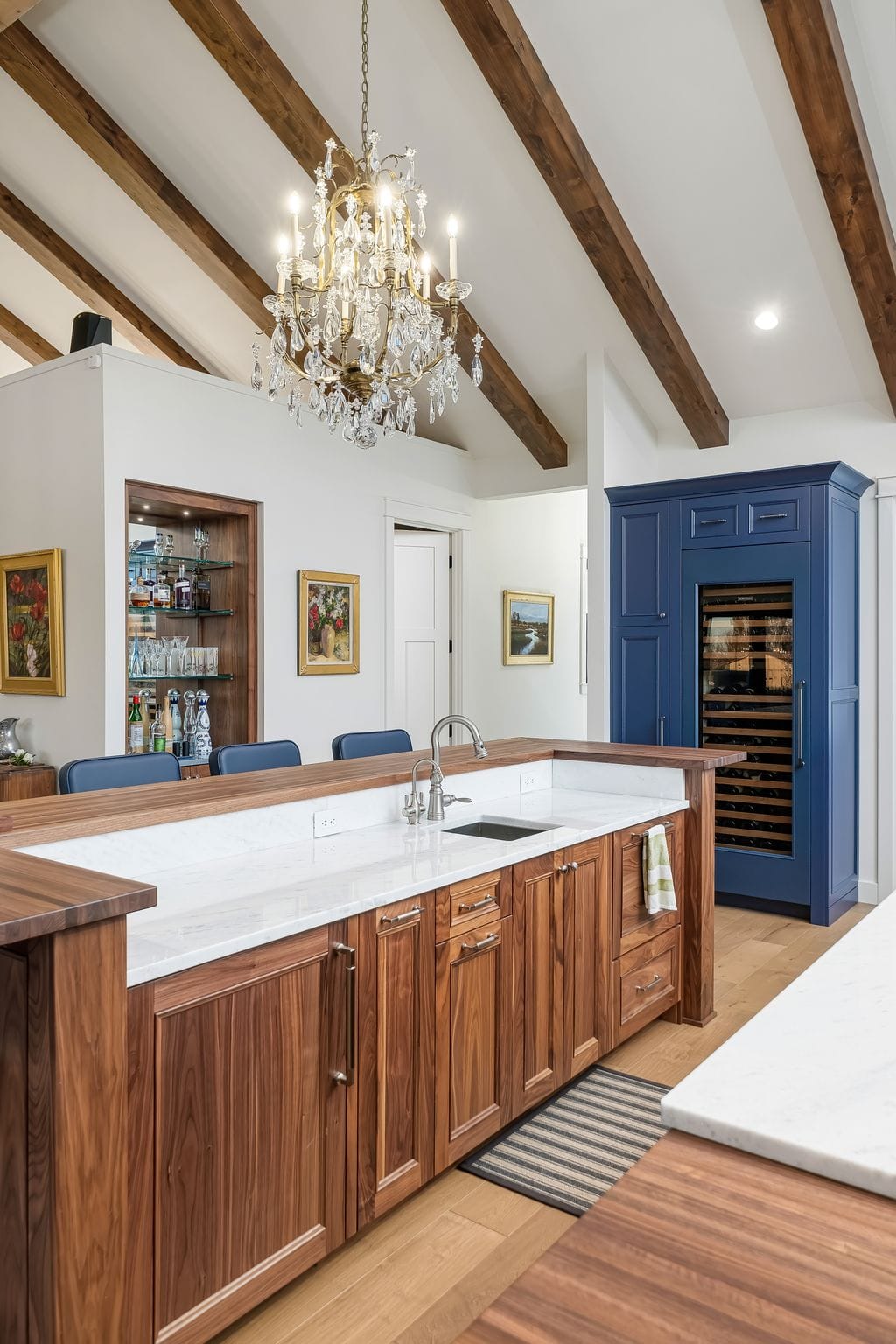
Though more limited in supply than many other hardwoods, American Black Walnut is generally harvested from managed forests in the central and eastern United States. Its relative scarcity contributes to its cost, but also to its perception as a considered choice. Walnut is rarely specified casually.
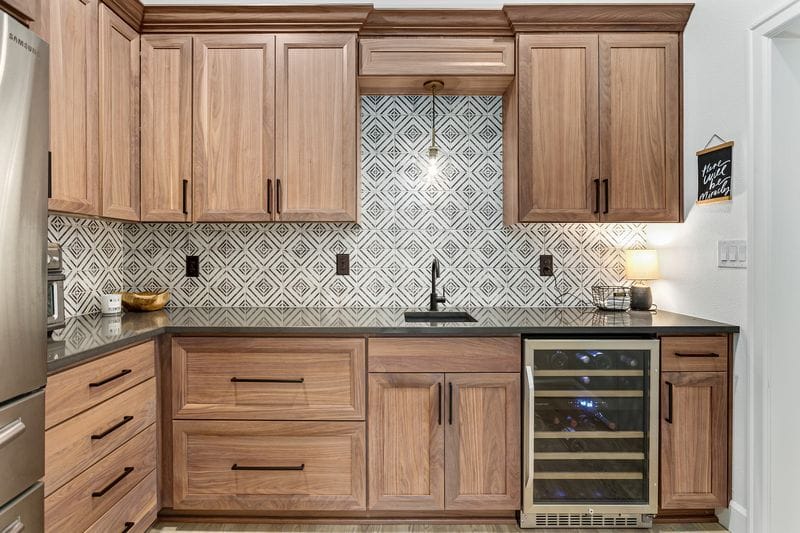
From a tactile perspective, walnut feels calm and grounded. It pairs effortlessly with stone, leather, brass, matte black metals, and even softer painted finishes. In modern spaces, it anchors. In traditional rooms, it elevates. In either context, it brings a certain level of drama and prestige.
Choosing walnut isn’t about following a trend. It’s about wanting depth that lasts. It changes subtly over time, warms with light, and develops a patina that feels lived-in rather than dated. It’s the kind of material that gets better the longer it’s in a space.