Grain as Character

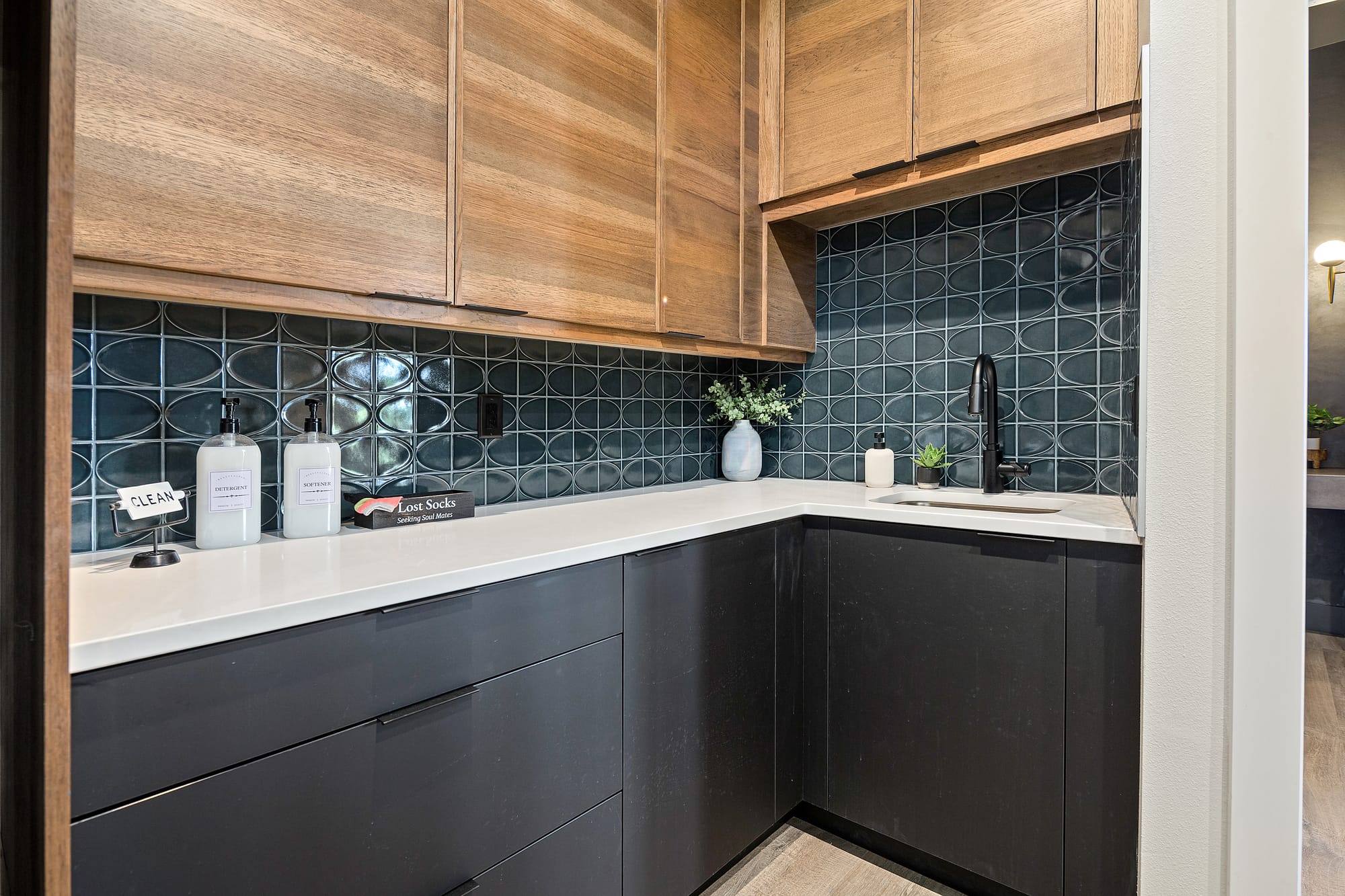
Why Every Piece of Wood Tells a Story
There is always a moment in a design conversation when someone leans forward, lowers their voice, and points. They see a lighter stripe, a darker center, or a knot.
They ask, "Is that supposed to look like that?”
It’s a fair question. We’ve gotten so used to things lining up perfectly. Samples need to match, and uniformity needs to exist in perfect sequences. Wood doesn’t do that. It never has. And asking it to try misses what makes it special in the first place.
Wood isn’t a finish. It isn’t something applied at the end to make a space look a certain way. Wood is a material that grew. Every mark you see is the result of time, environment, and response. It carries evidence of good years and hard ones, of steady growth and sudden change.
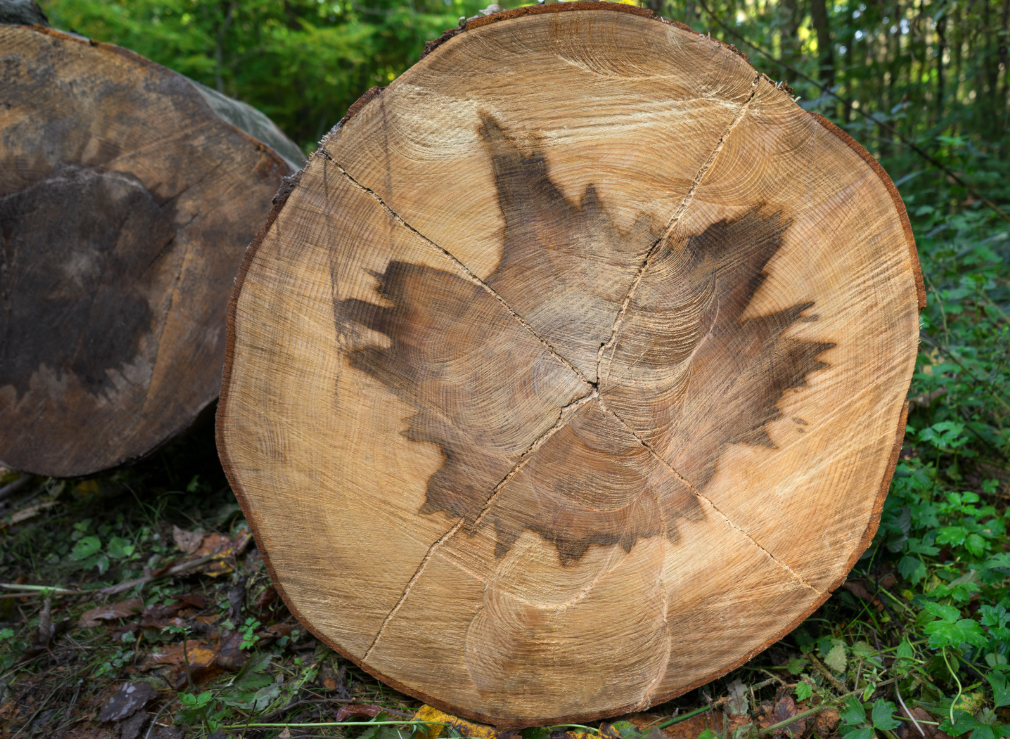
A tree begins its life entirely as sapwood. Sapwood does the work. It moves water and nutrients from the roots up through the trunk and out to the branches and leaves. It’s active, necessary, and always in motion.
As the tree grows, it doesn’t need every part of itself to keep doing that job. Strength becomes just as important as movement. The inner wood begins to change. Those cells transform into heartwood, no longer responsible for transport, but for holding the tree upright and protecting it over time.
Sapwood feeds the tree, and heartwood holds it up.
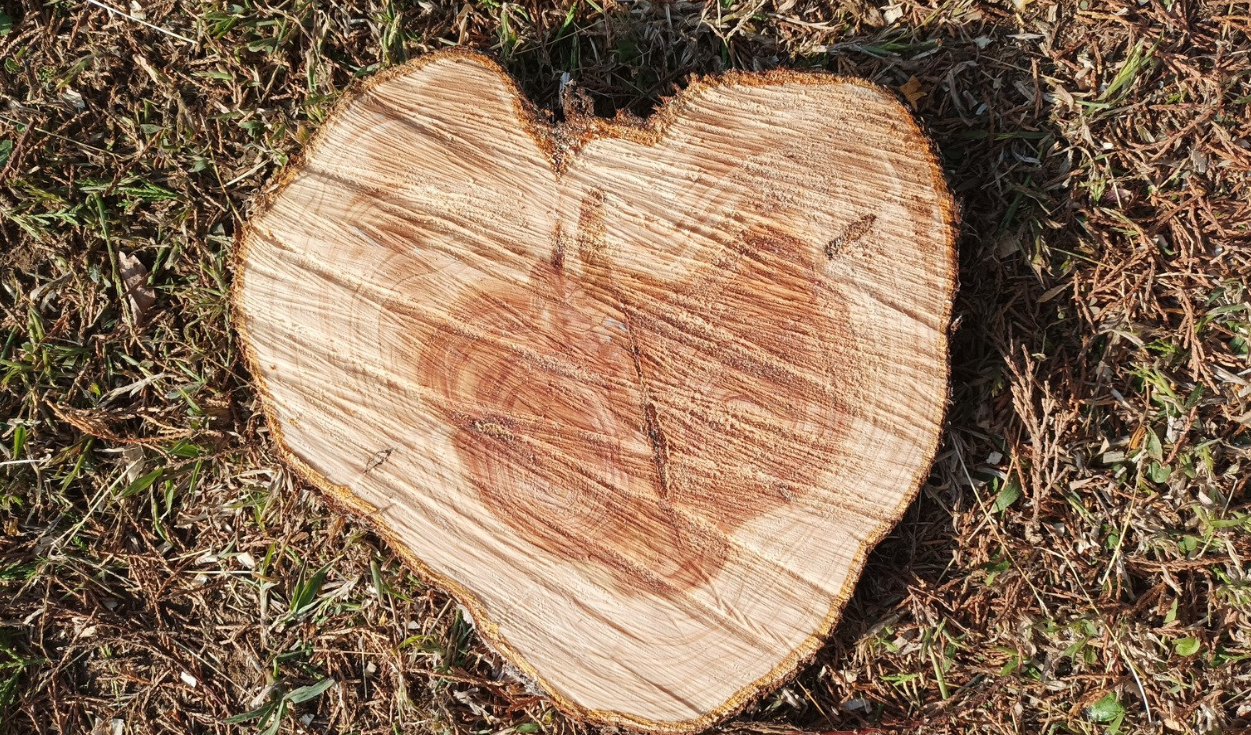
The difference in color between the two isn’t inconsistency. It’s chemistry and age and purpose. When both appear in a single board, you’re seeing a tree that grew, adapted, and matured, not a material that failed to match itself.
Grain tells the rest of the story. Straight grain, wavy grain, mineral streaks, knots, shifts in tone. These aren’t surface-level details. They’re records. Grain forms in response to weather, light, competition, injury, and recovery. Fast growth leaves one kind of mark. Slow growth leaves another. A lost branch leaves its own quiet signature.
Grain is how a tree remembers.
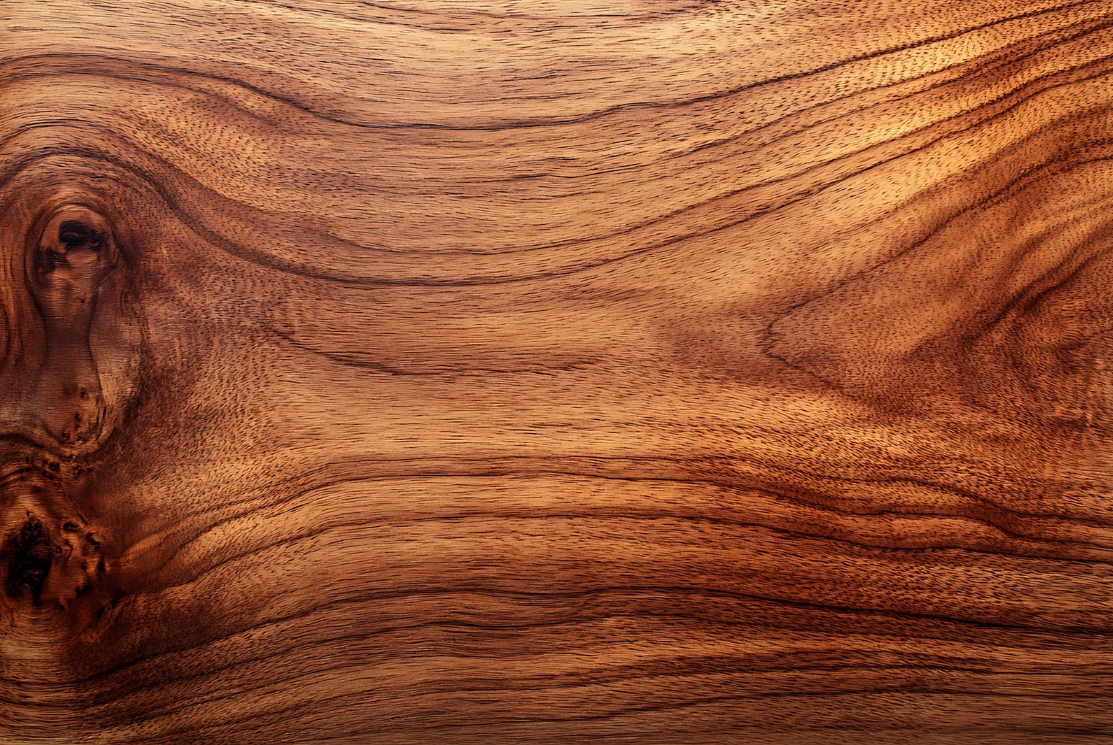
This is why two boards from the same species can look different from each other, and why that difference matters. Some woods tend to be bold and expressive (walnut). Others are quieter and more uniform (alder). Some deepen and change with time and light (cherry). None of that is random. It’s character.
In design, especially in cabinetry, wood is one of the most intimate materials we choose. It’s seen up close. Touched every day. Lived with for decades. Asking it to behave perfectly or predictably is asking it to be something it isn’t.
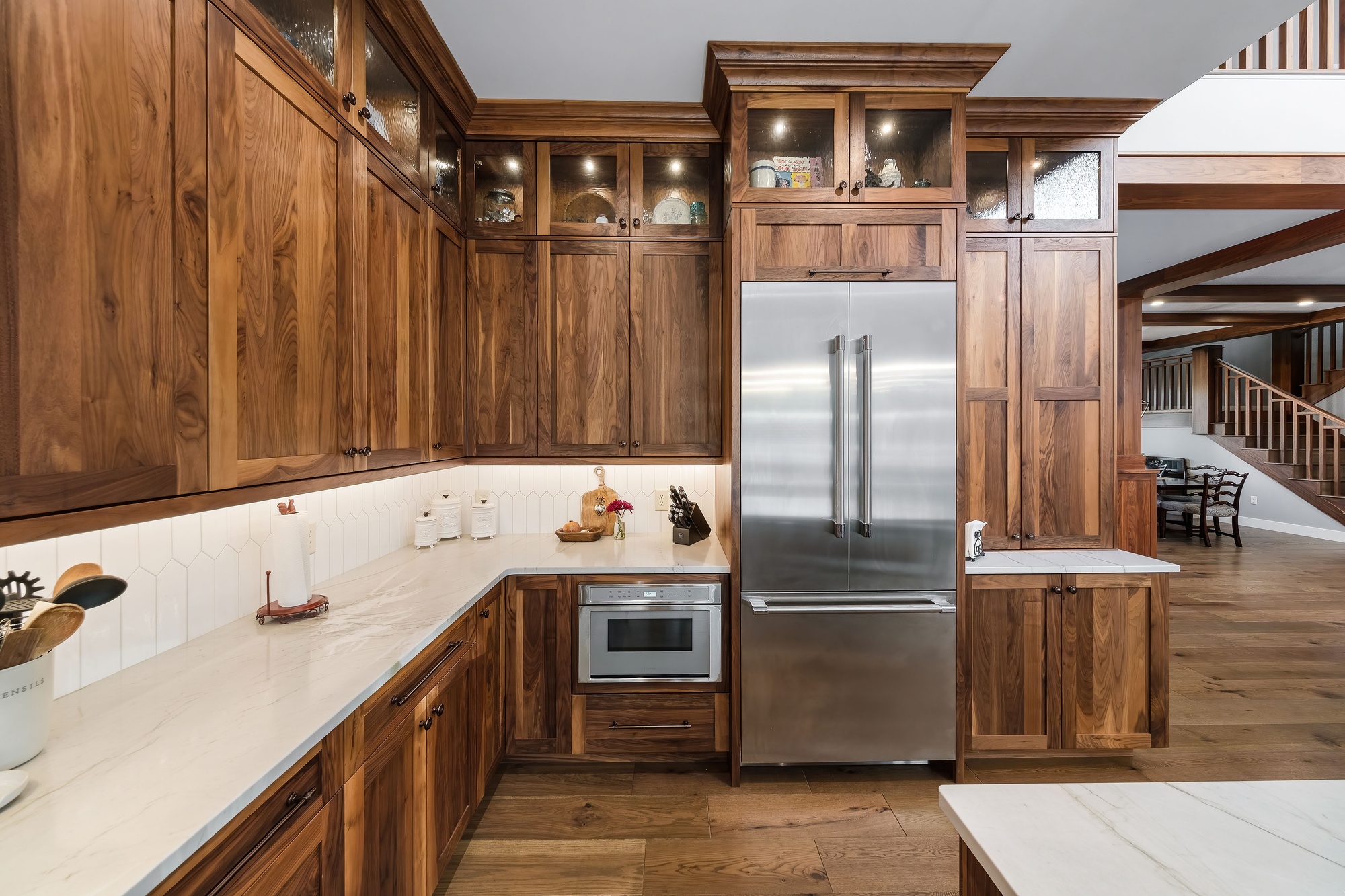
When we design with wood instead of trying to control it, spaces feel warmer, more grounded, and more honest. The goal stops being perfection and becomes longevity. A relationship with a material that will continue to change, just as the home does.
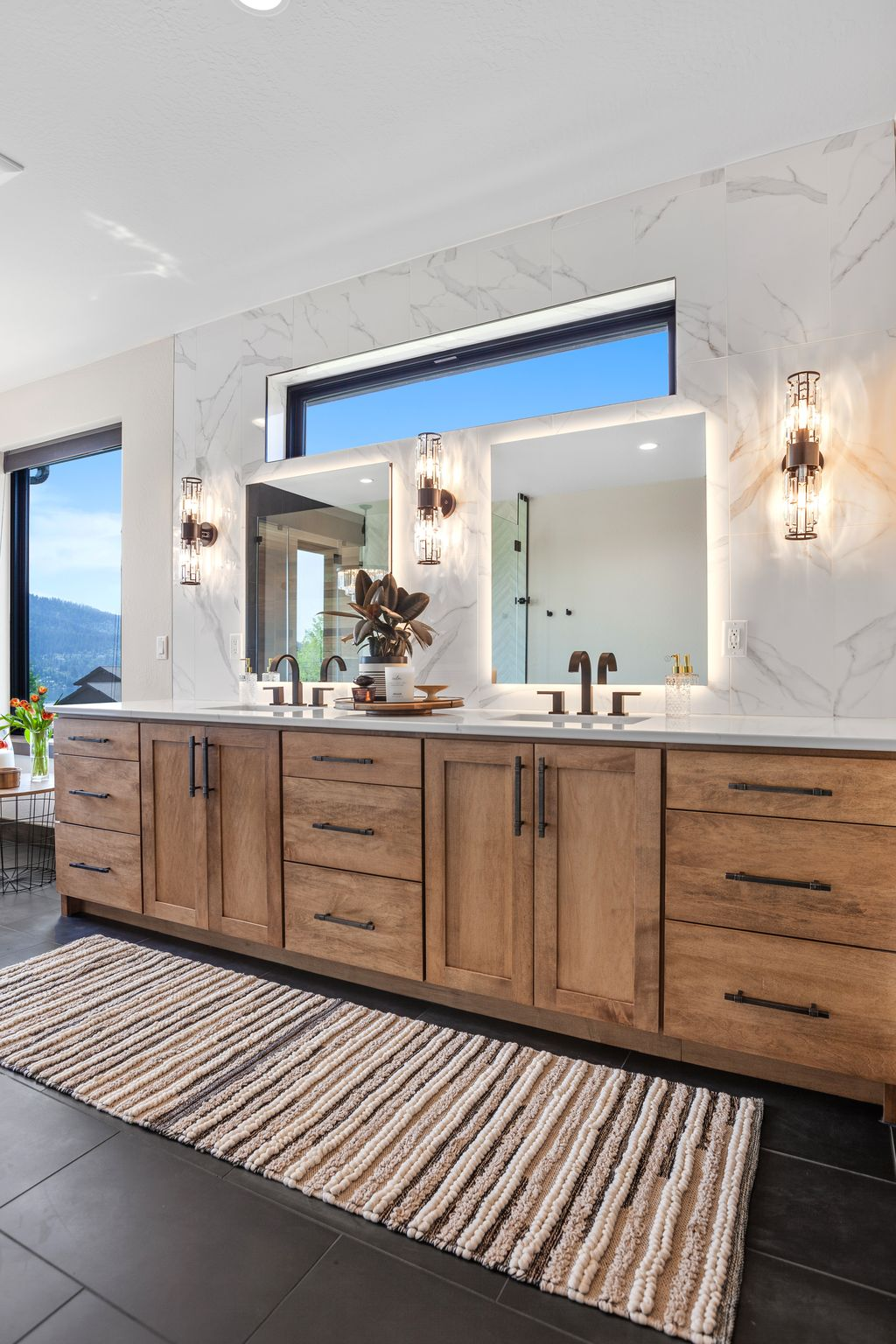
This is where grace comes in. Grace in design looks like allowance, or restraint, or like trusting that variation doesn’t weaken a space but gives it depth. Wood shows us that strength often comes from maturity, that beauty rarely arrives uniform, and that what makes something meaningful is often what makes it unique.
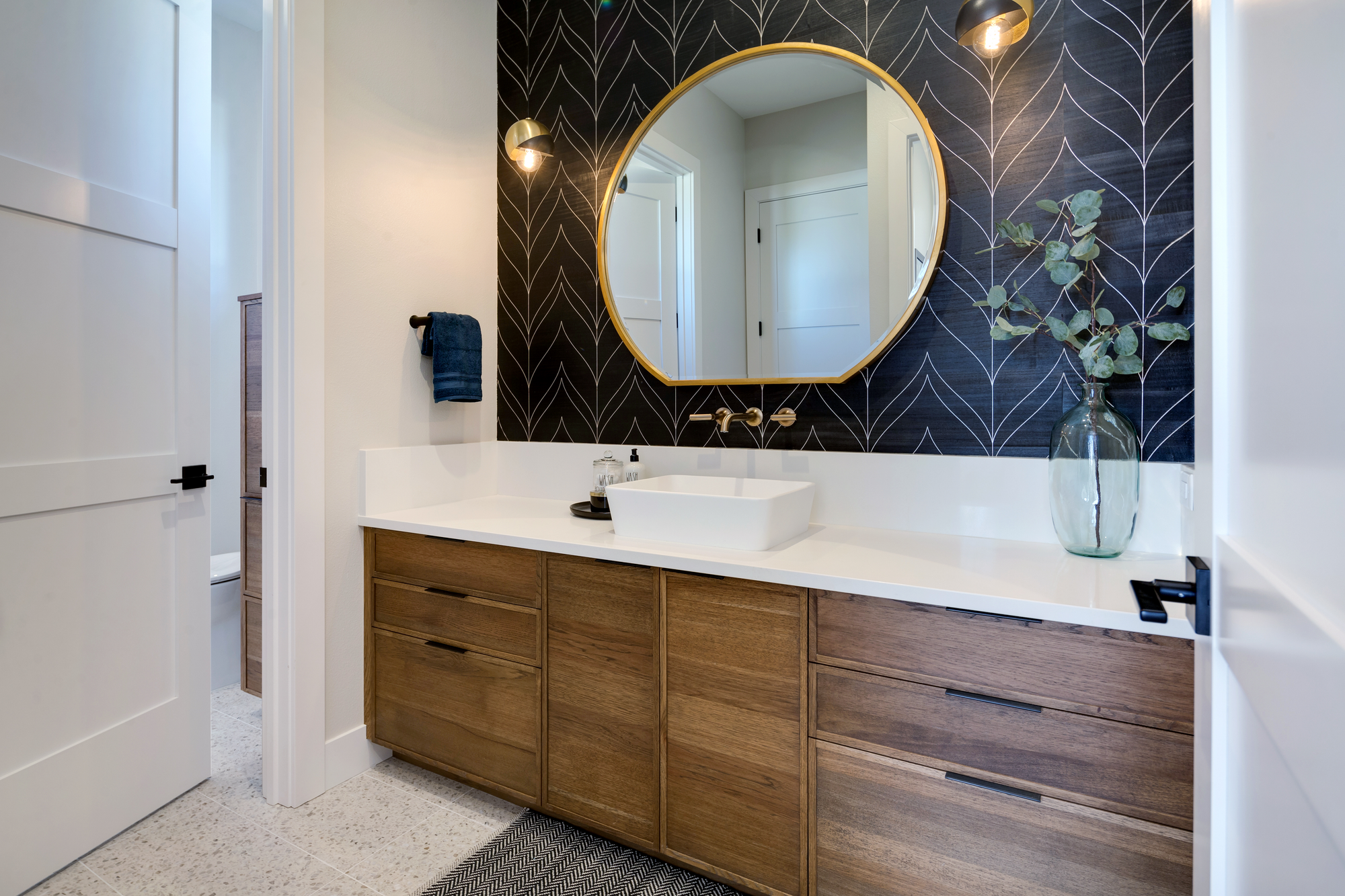
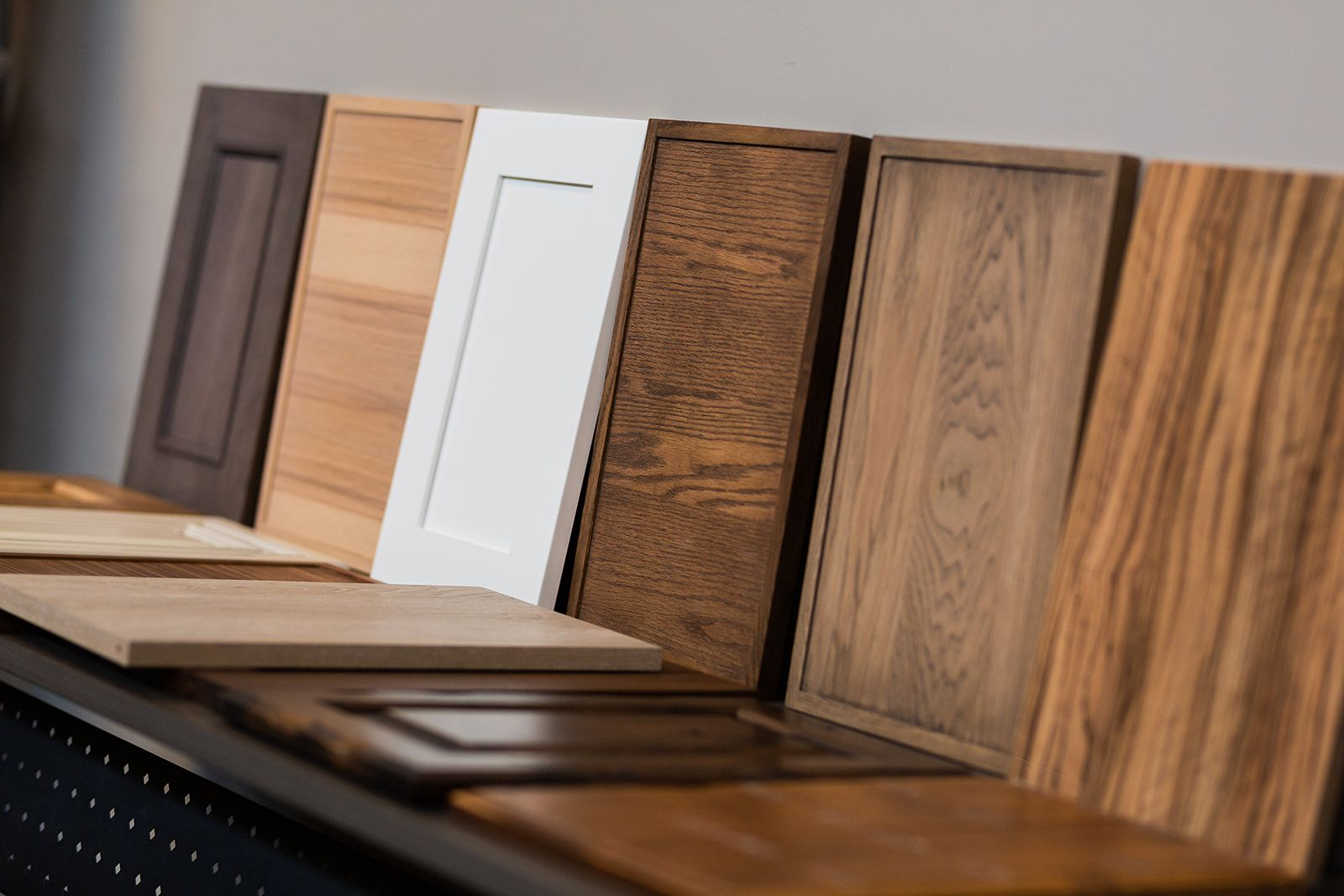
Every piece of wood you see tells a story of how it came to be. Once you learn to read that story, you stop asking whether something is wrong and start noticing what makes it worth keeping. That’s where Grain & Grace begins.